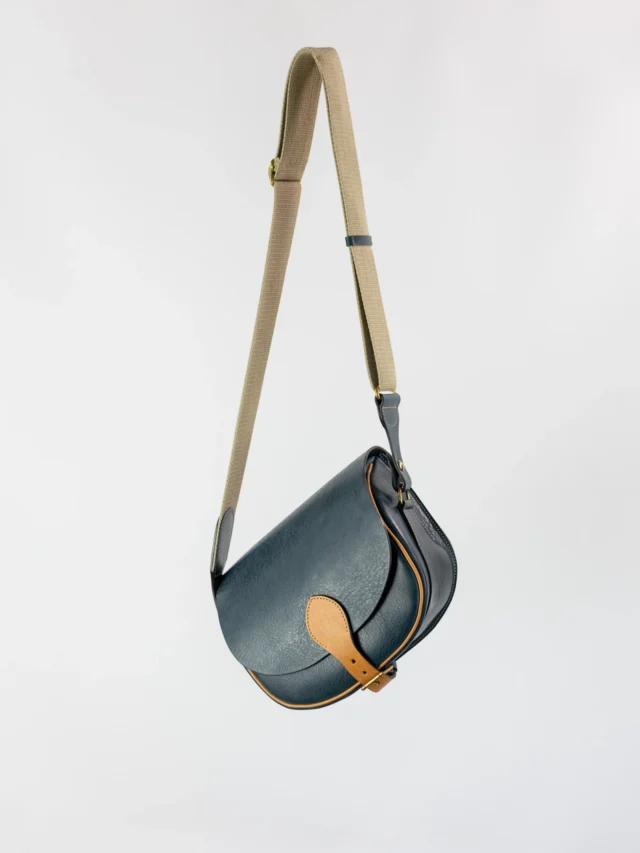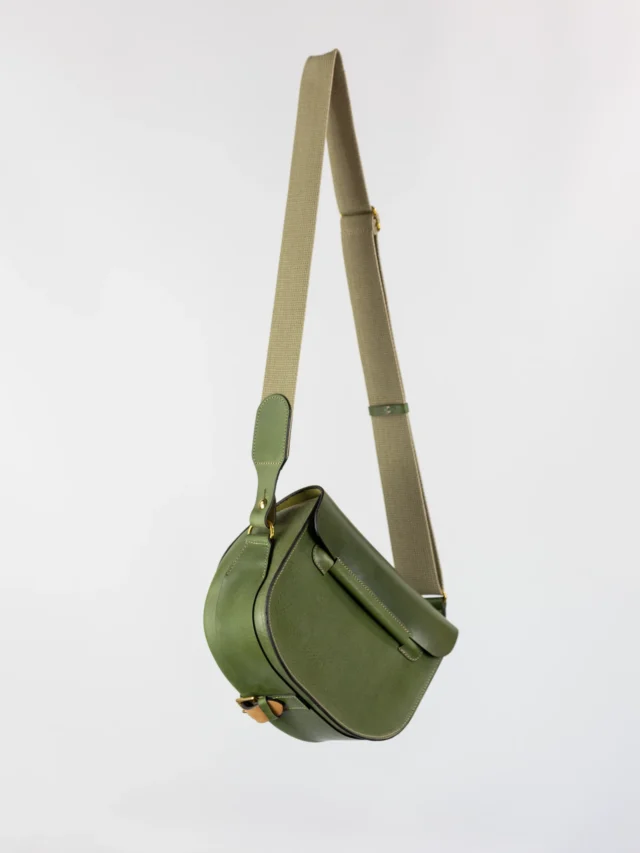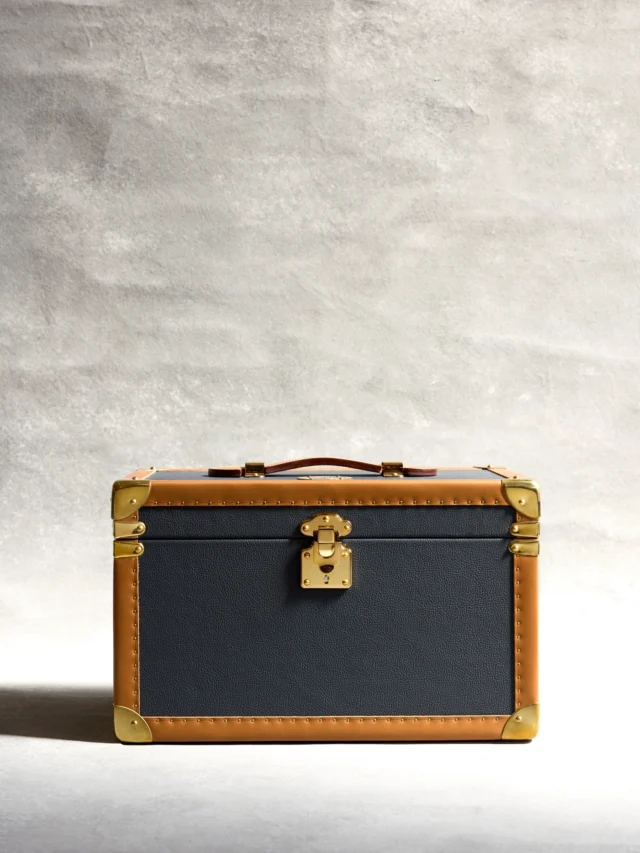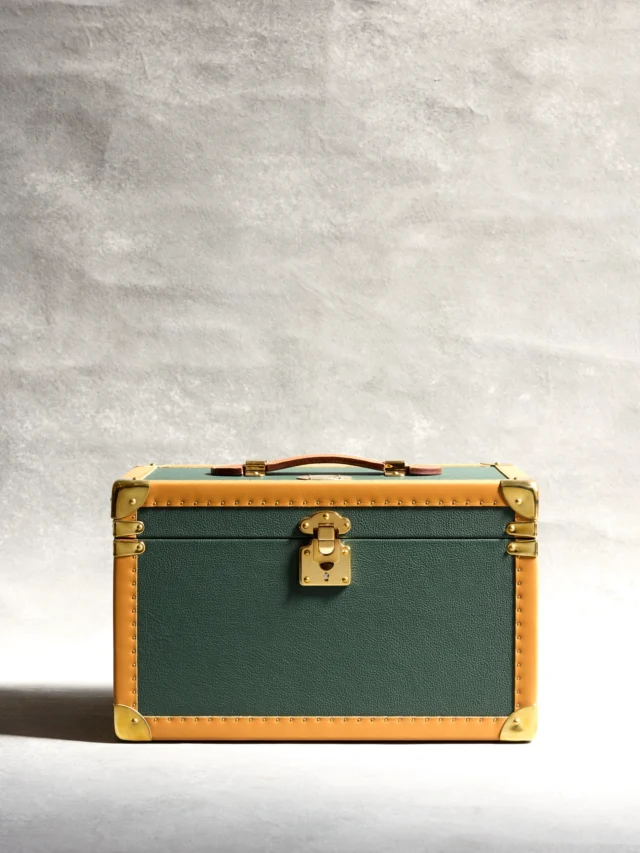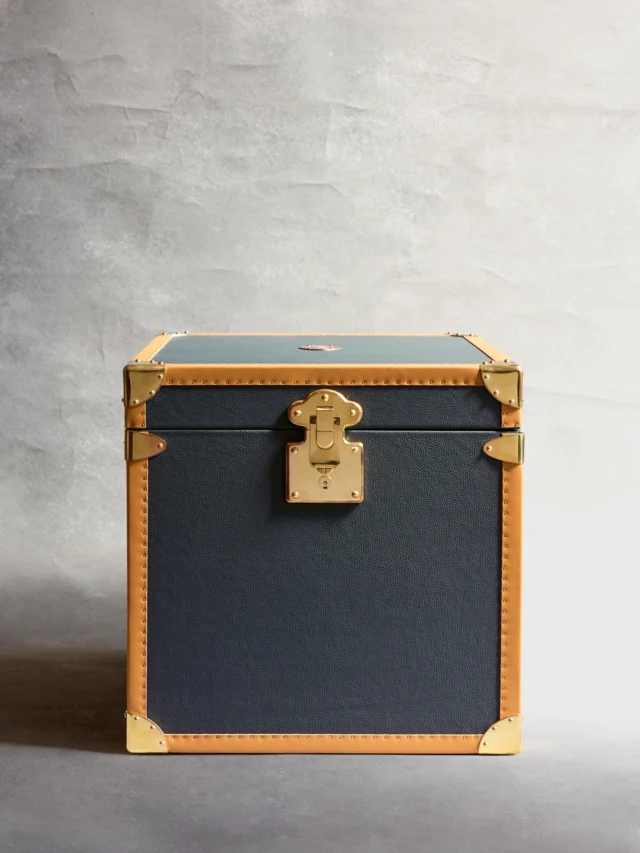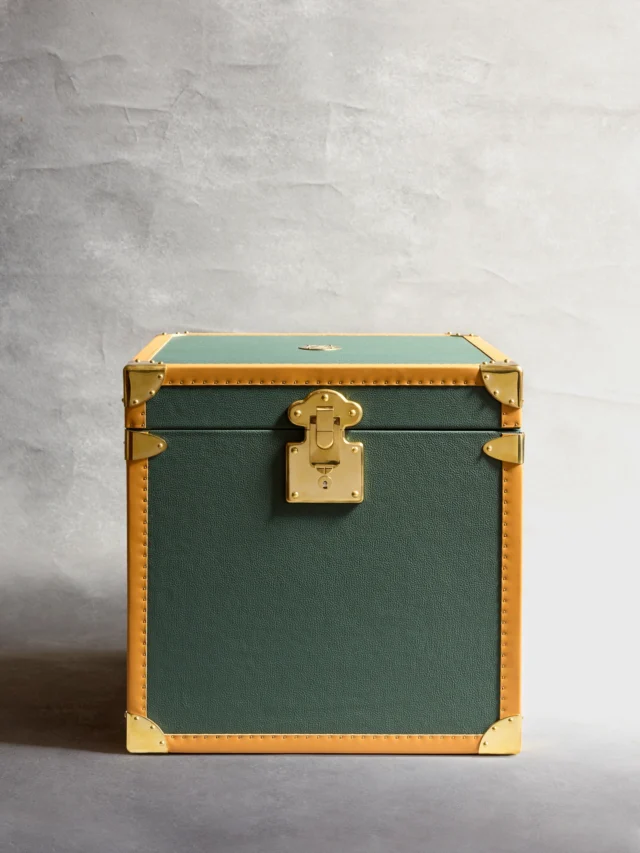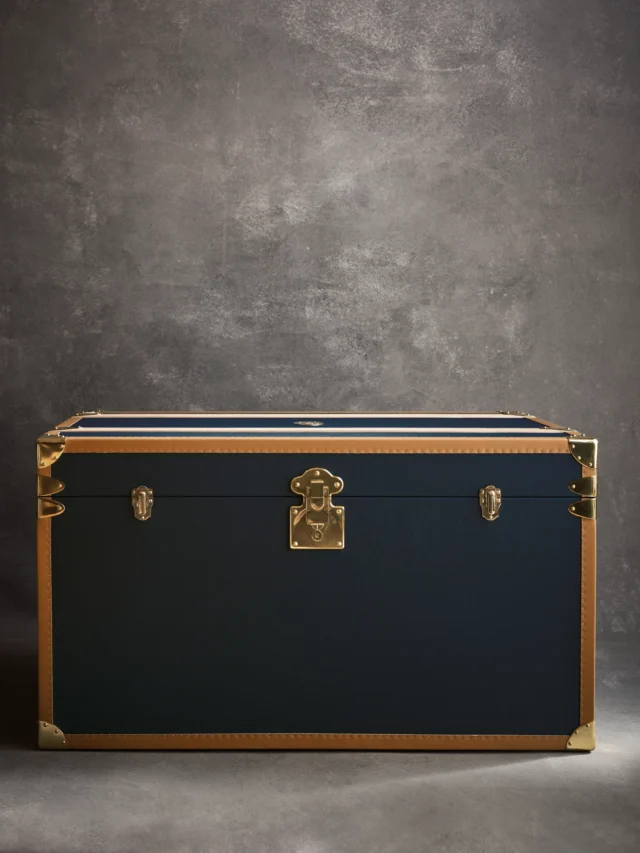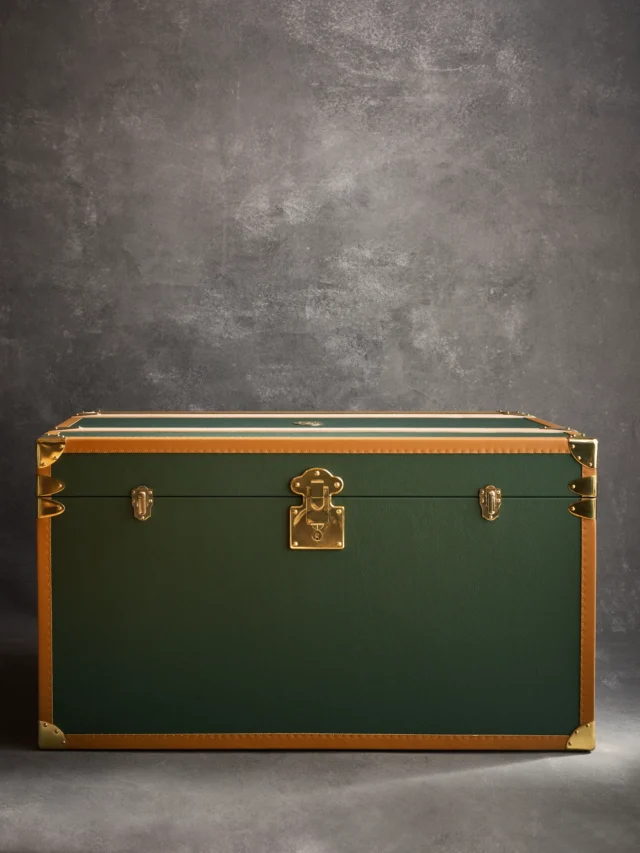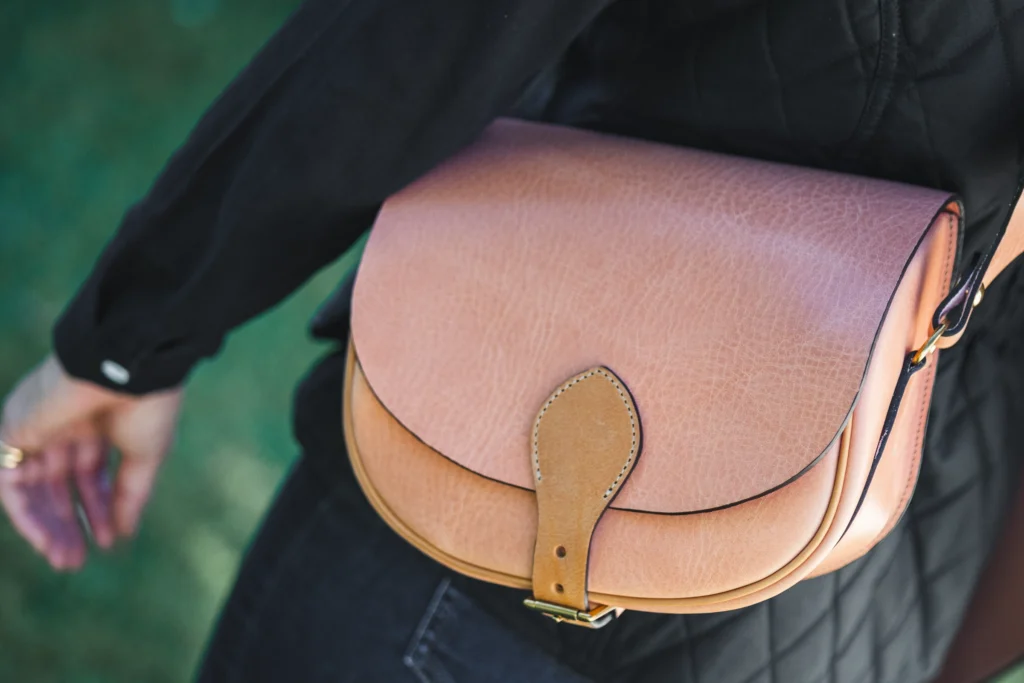
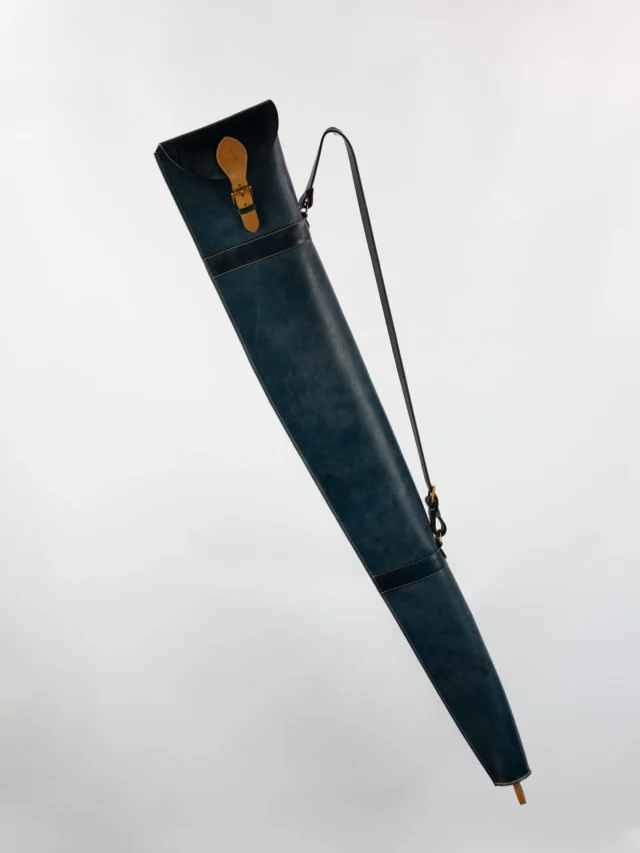
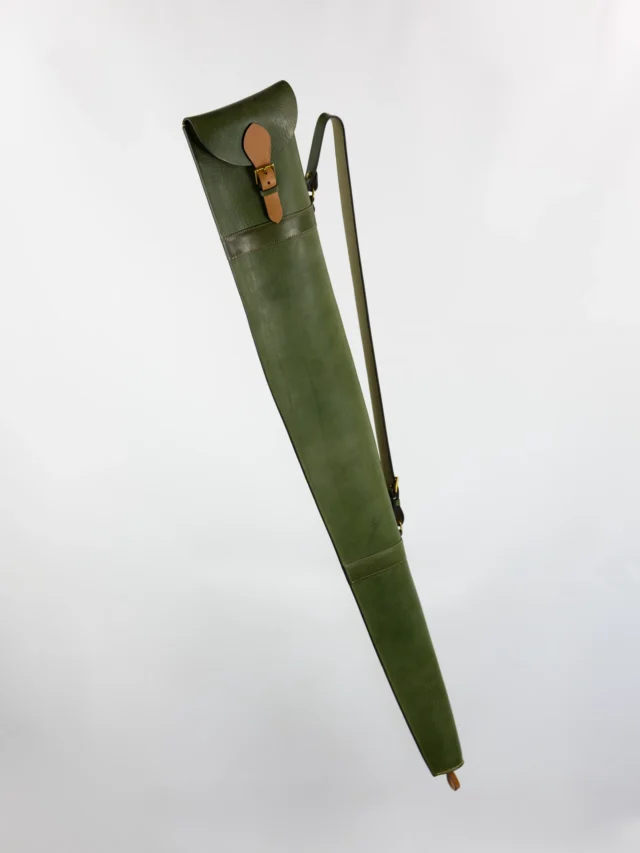
Gun Sleeve
500 €
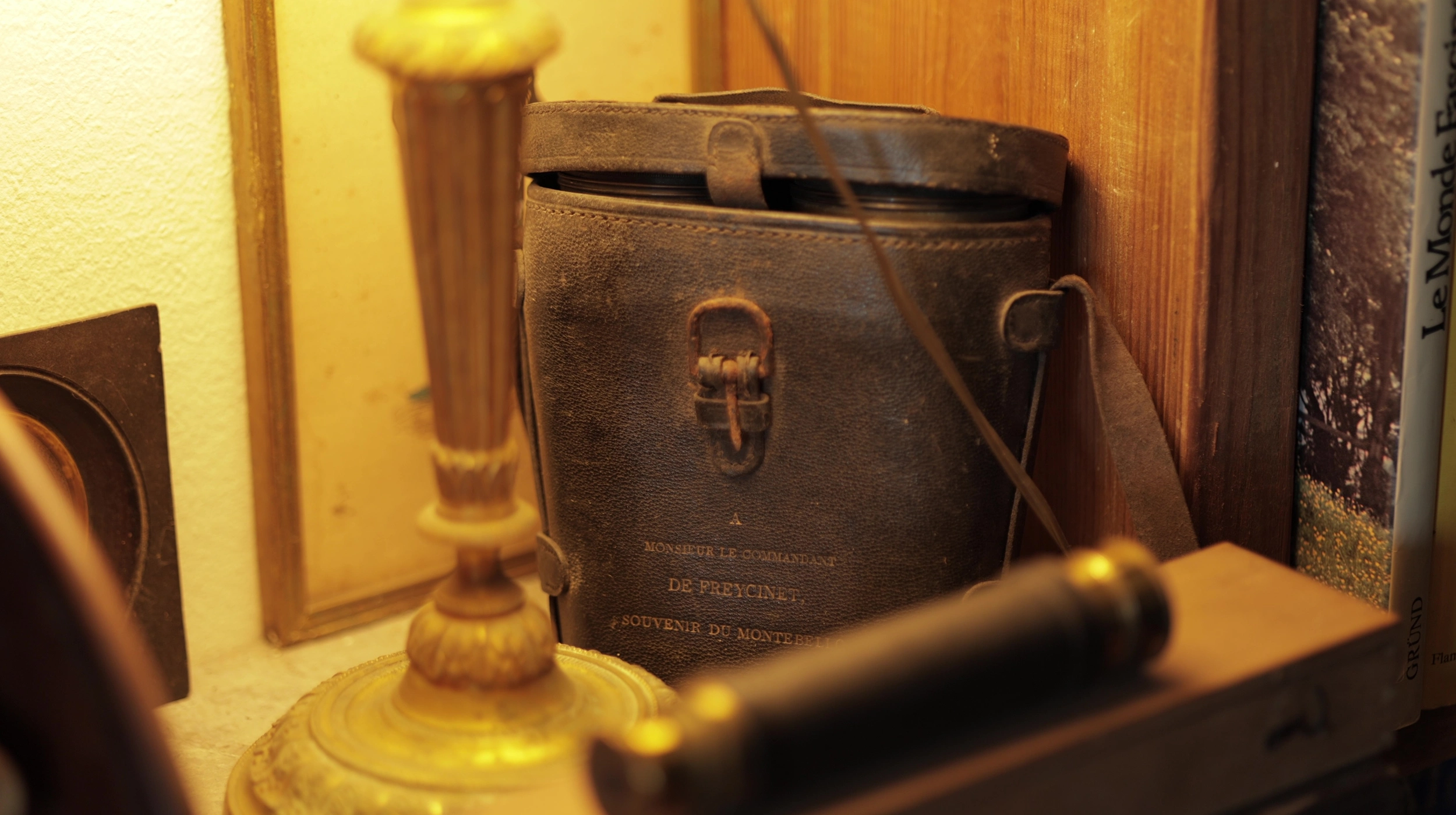
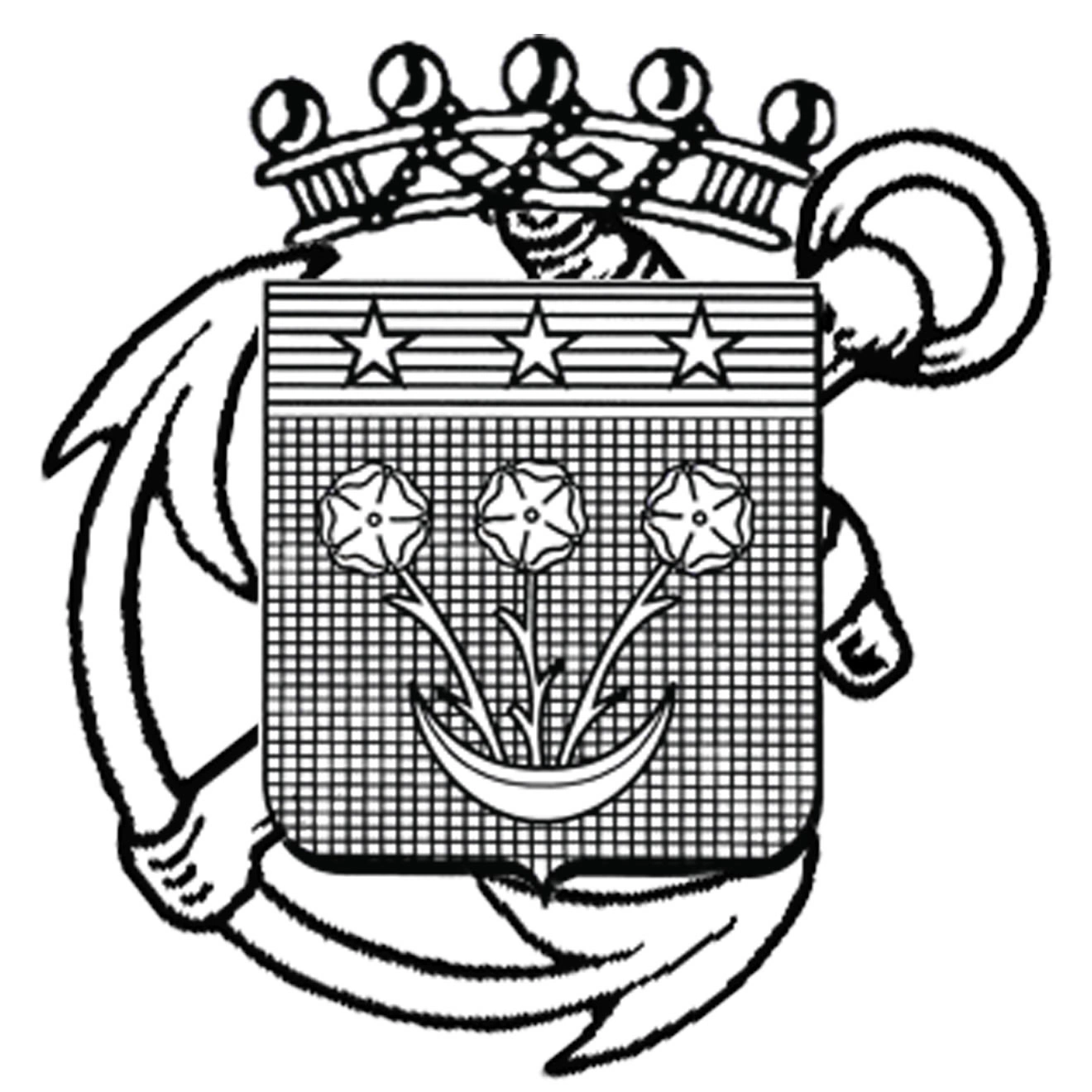
Long before Henry de Freycinet became the name of a contemporary House, it belonged to a family whose history was shaped by the sea.
Across two centuries, exploration, scientific curiosity and a fascination with distant horizons have left their mark on the Freycinet story. From the southern coasts of Australia to the decks of the Uranie, from carefully drawn charts to Rose de Freycinet’s private journal, that history survives through objects, documents and memories.
Today, it forms the cultural foundation of a House that believes an object should do more than accompany a journey. It should carry something of it forward.
1777 — 1779
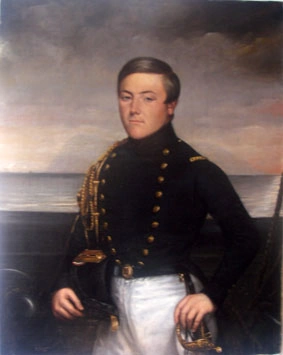
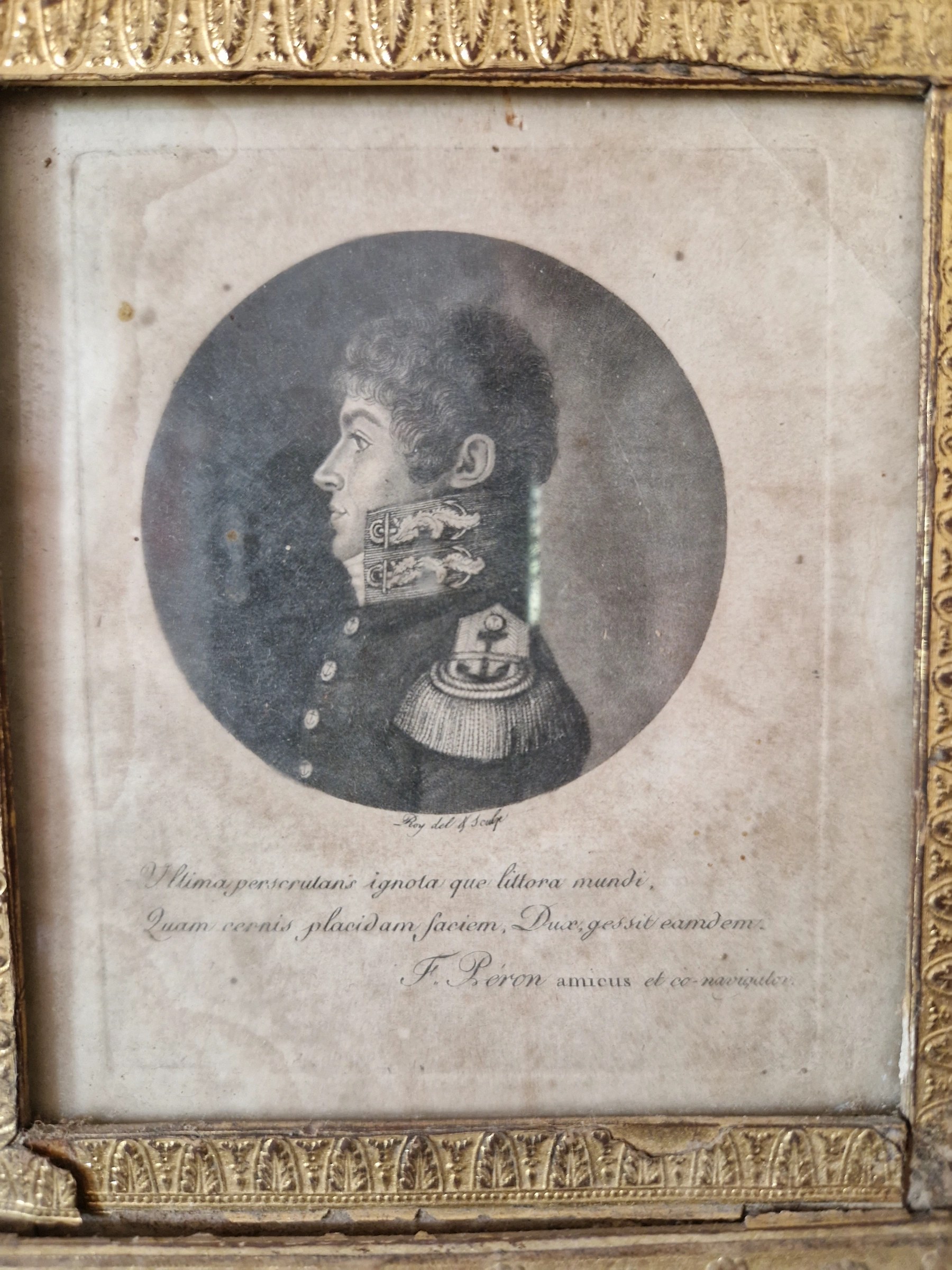
Born in Montélimar two years apart, Louis-Henri and Louis-Claude de Saulces de Freycinet entered naval life while still very young.
At the turn of the nineteenth century, both joined Nicolas Baudin’s expedition to the southern lands, an ambitious French undertaking devoted to navigation, science and the study of territories that remained imperfectly known to Europeans.
Henri sailed aboard the Géographe. Louis first served aboard the Naturaliste before taking command of the smaller Casuarina, whose shallow draught made it particularly suited to coastal surveying.
Their paths would later diverge, yet those early years at sea established the enduring connection between the Freycinet name, exploration and Australia.
1800 — 1804
The Baudin expedition set out with an ambition that went far beyond discovery alone. Its ships carried sailors, cartographers, naturalists and artists, all charged with observing, recording and describing the southern world.
Along Australia’s western and southern coasts, hydrographic surveys were combined with natural-history collections, drawings and detailed observations of the lands and peoples encountered.
Louis became closely involved in the cartographic work. The experience gave him both the material and the discipline that would shape the next chapter of his life: transforming years spent at sea into knowledge that could be preserved on paper.
1811
Back in France, Louis was entrusted with preparing the charts and plans produced from the Baudin expedition.
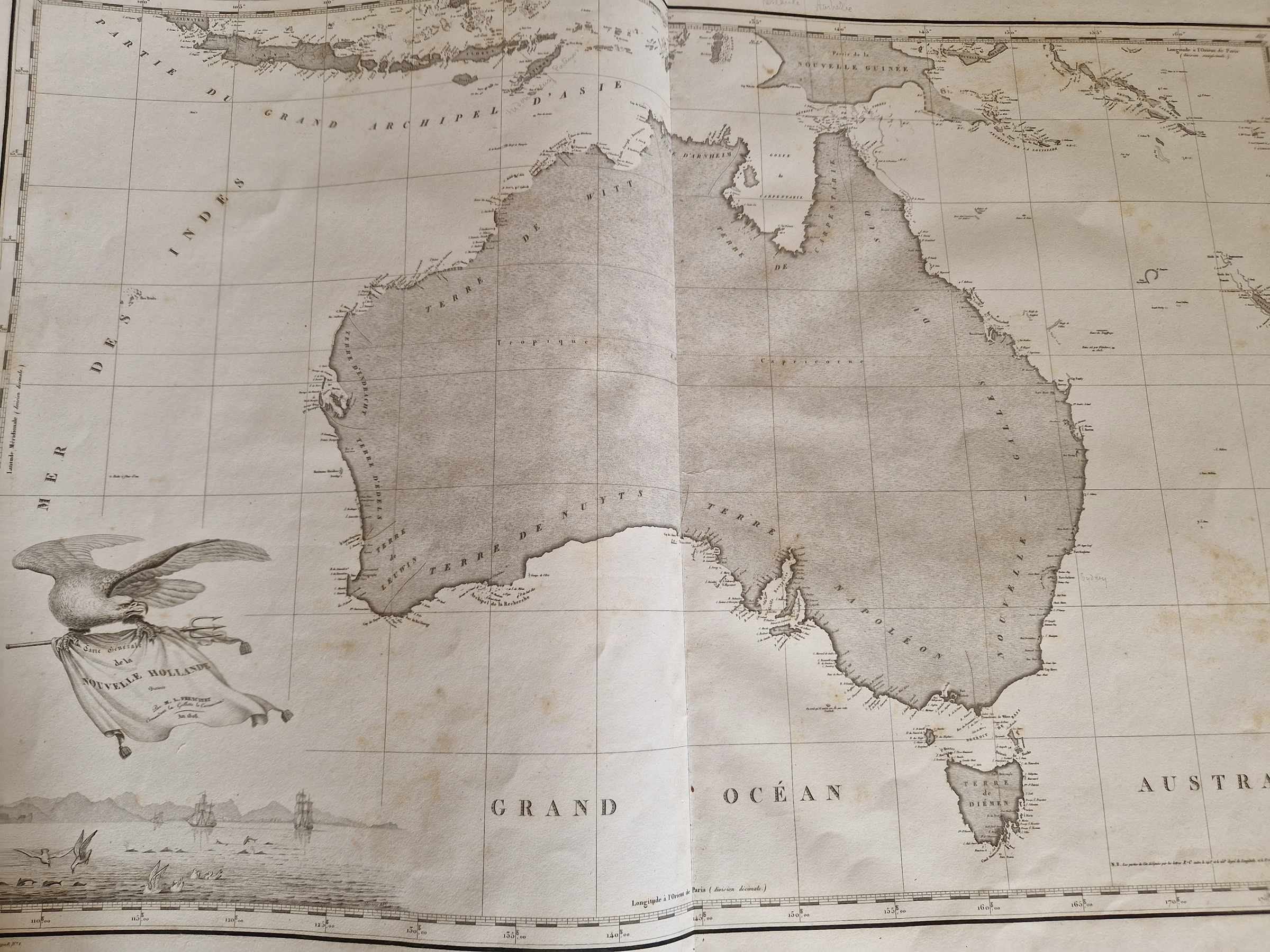
In 1811, the Atlas Historique included his Carte Générale de la Nouvelle Hollande. It became the first published map to show the full outline of Australia, appearing three years before Matthew Flinders’ own published chart.
The map was not the record of one man’s discovery. It brought together years of French survey work with knowledge accumulated by earlier navigators. Its importance lies instead in synthesis: scattered observations drawn together into a single image of a continent.
For the Freycinet story, it remains one of the clearest expressions of exploration transformed into memory.
1817
Exploration was changing. To travel was no longer only to chart coastlines, but to measure, observe and understand.
In 1817, Louis was entrusted with command of the Uranie for a scientific voyage around the world. Terrestrial magnetism, astronomy, meteorology, hydrography and natural history were to be studied across oceans and continents.
The ship would become a moving observatory, carrying instruments, researchers, artists and collections through one of the most remarkable scientific voyages of its time.
1817 — 1820
The Uranie left Toulon in September 1817.
Over the following years, the expedition crossed the Atlantic and Indian Oceans before reaching Australia, Timor and the Pacific. It continued through the Caroline Islands, Guam and Hawaii before sailing south towards Sydney.
At each stage, observations were repeated, specimens collected, coastlines studied and cultures recorded. The voyage would eventually generate volumes devoted to history, zoology, botany, terrestrial magnetism, meteorology, navigation and hydrography.
Yet hidden within this great official expedition was a far more intimate story.
1817 — 1820
Three years after marrying Louis, Rose Pinon de Freycinet made an extraordinary decision: rather than remain in France during his expedition, she would leave with him.
Disguised in men’s clothing, she secretly boarded the Uranie before its departure. Once at sea, her presence could no longer be undone.
Rose became the only woman among the expedition’s company and recorded the journey in a private journal written for her friend Caroline, alongside letters sent to her family.
Her words describe far more than navigation. She wrote of life aboard ship, of places and people encountered, of social customs, scientific work, fear, curiosity and the intimate realities omitted from official accounts.
In doing so, Rose became the first woman to complete a circumnavigation and leave a written account of the experience.
A voyage survives through fragments: a chart, a portrait, a handwritten page, the profile of a ship, a scientific drawing. Together, they allow a distant journey to become tangible once more.
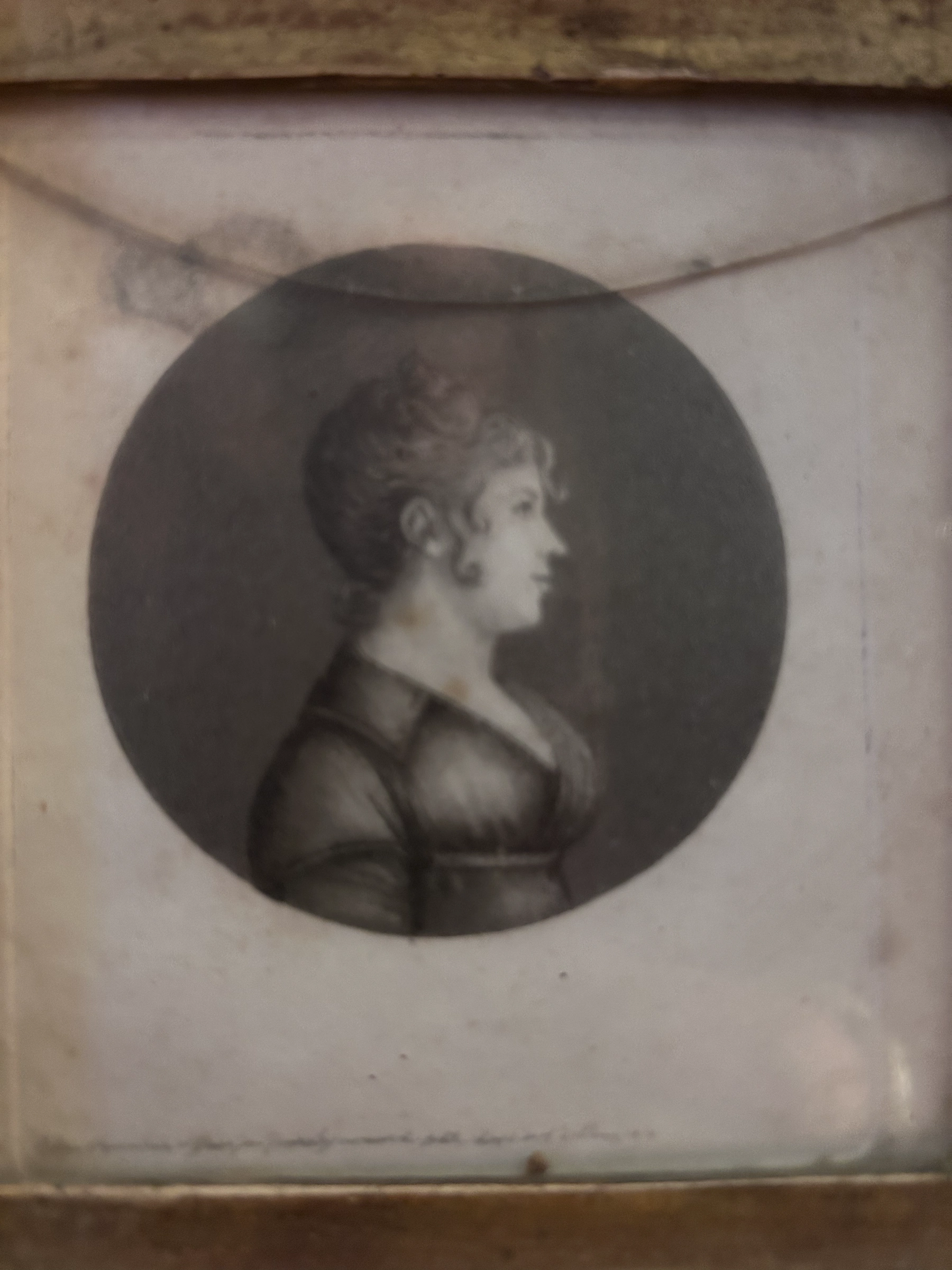
Portrait from the family archives
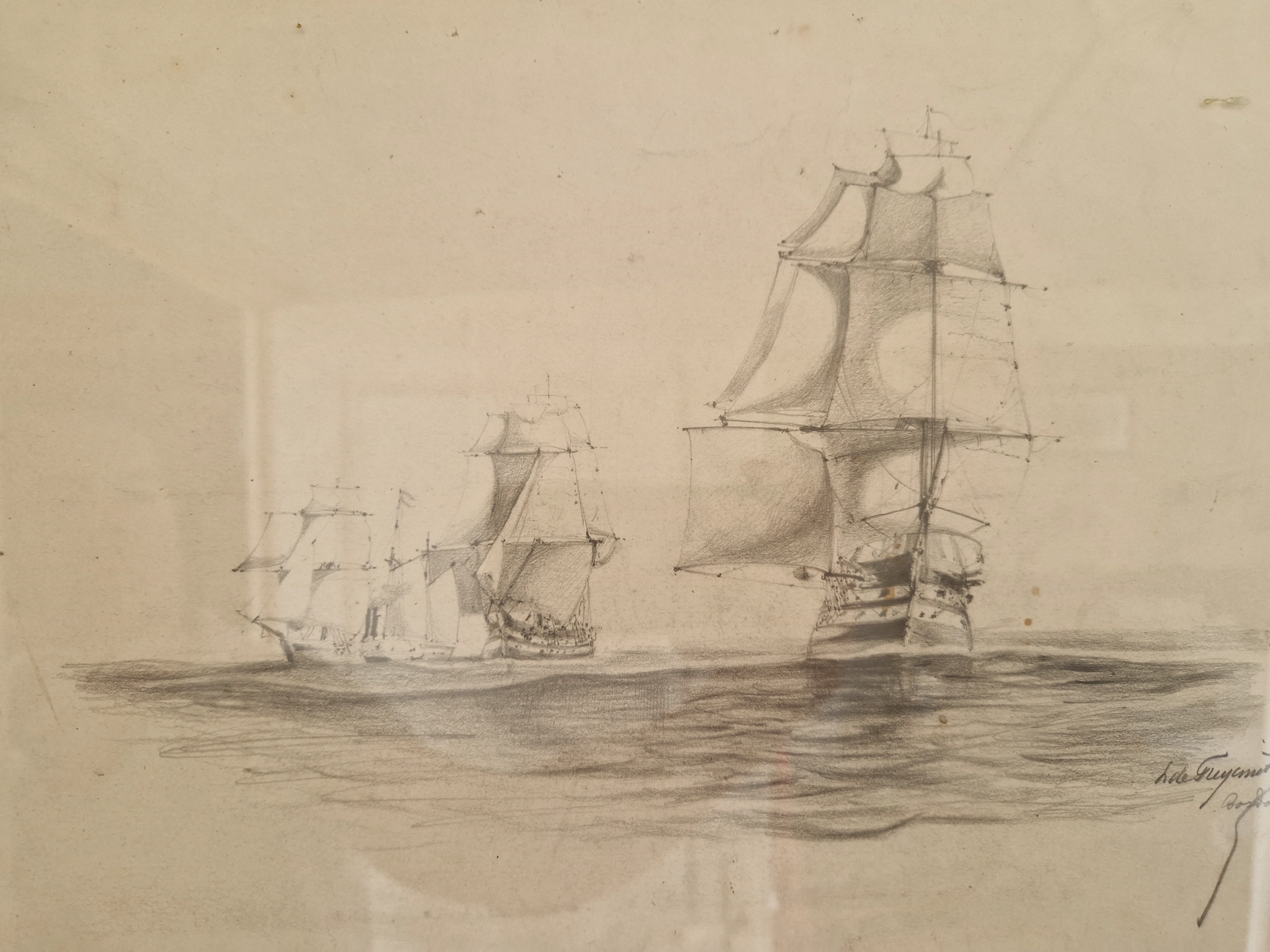
Drawing of sailing ships
Map of New Holland
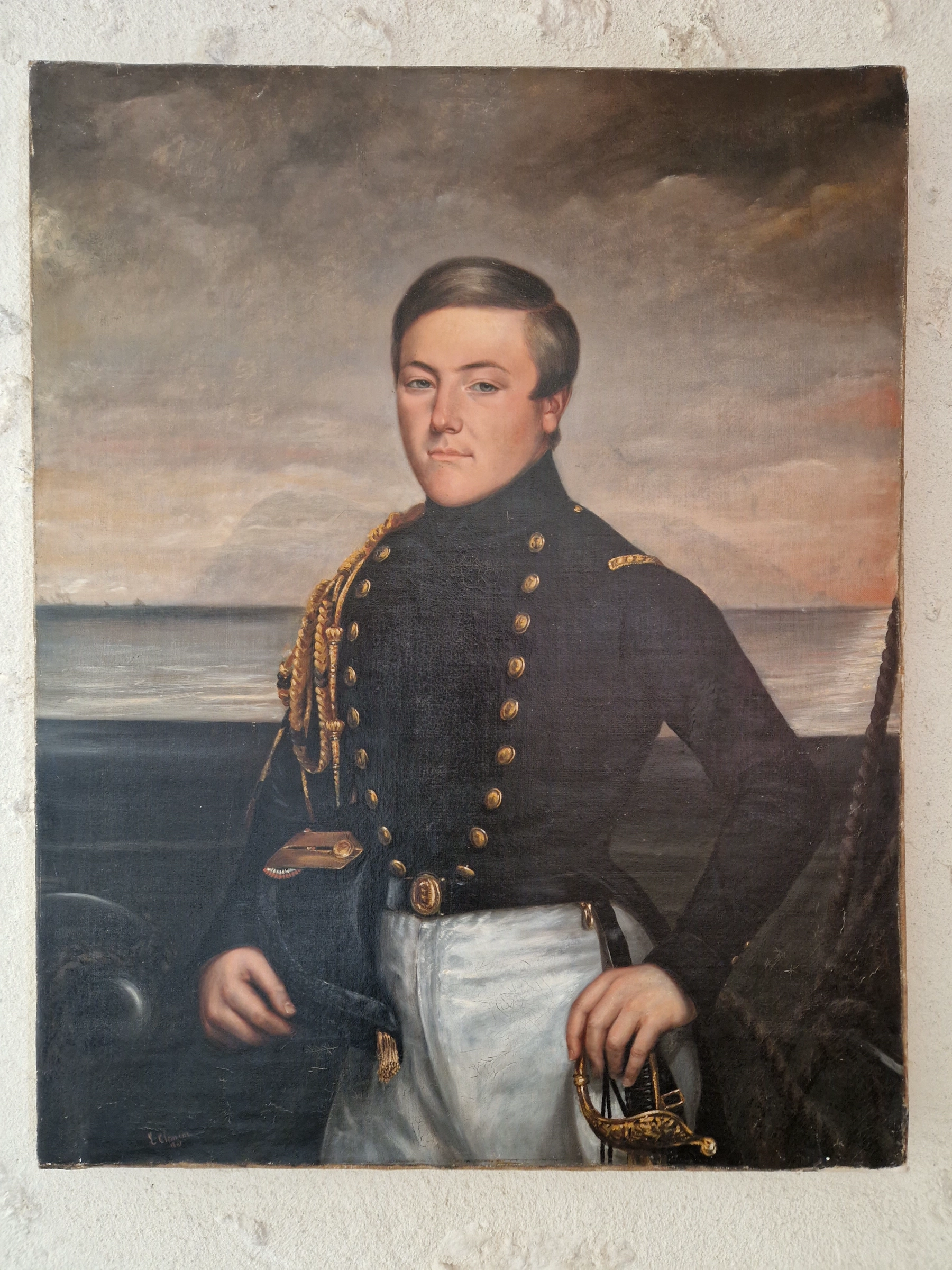
Naval portrait from the family archives
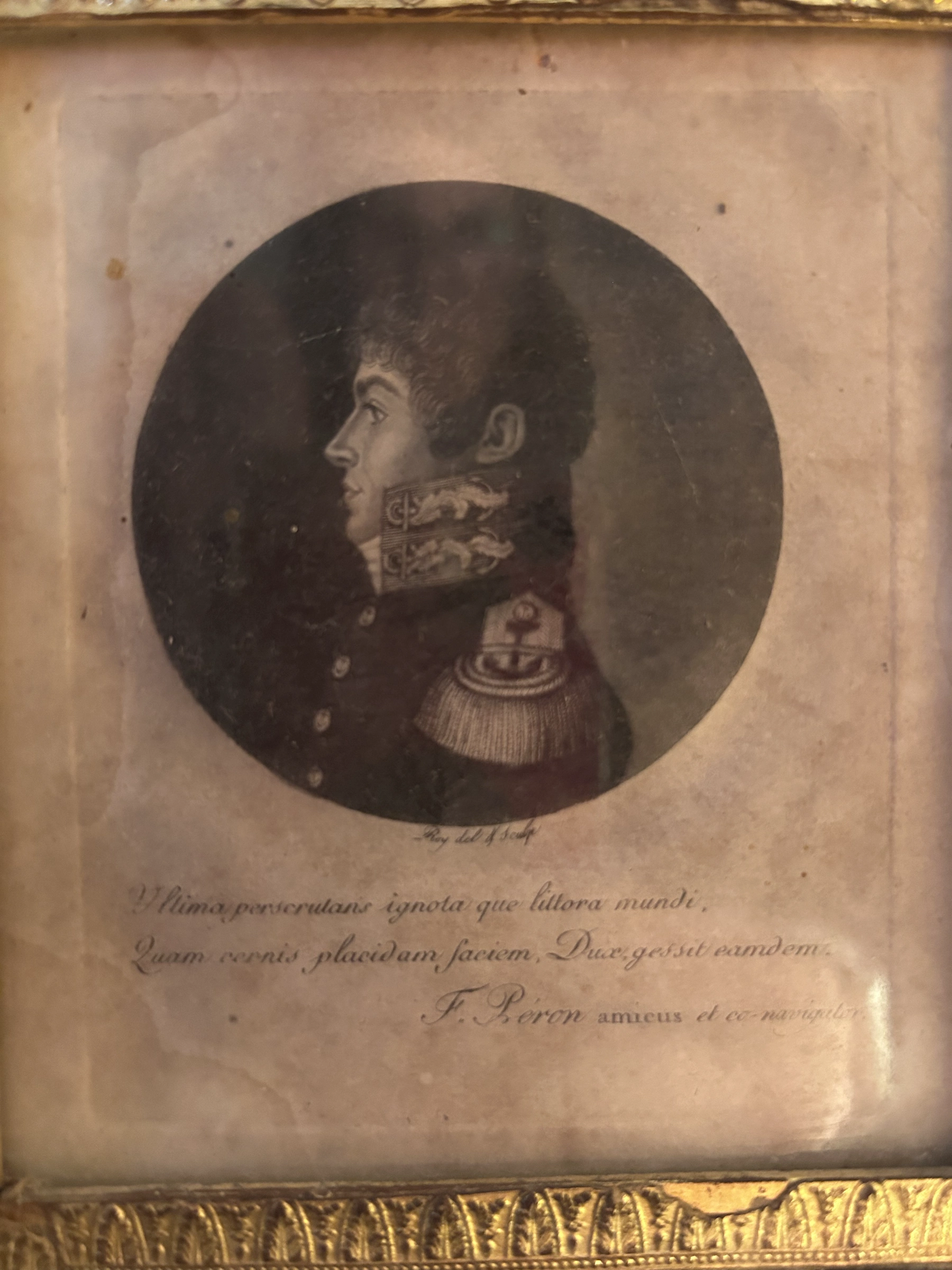
Detail of a naval portrait
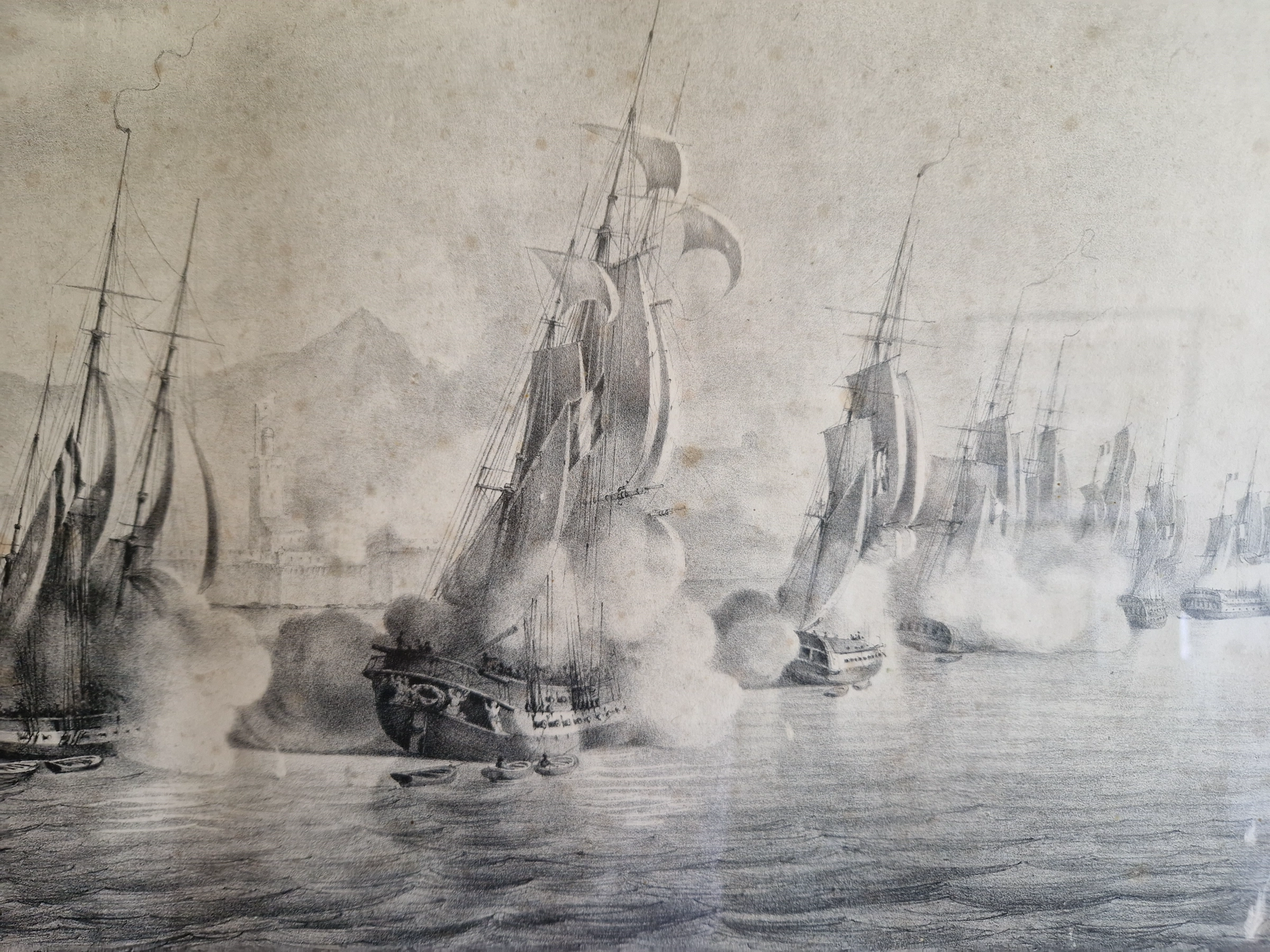
Naval battle engraving
1820
On 14 February 1820, while returning towards Europe, the Uranie struck an uncharted rock in the Falkland Islands.
The ship was lost, but its company survived. Instruments, records and part of the scientific collections were brought ashore, preserving much of the work accumulated during the expedition.
Louis eventually acquired another vessel, the Mercury, renamed it the Physicienne, and completed the return to France.
In November 1820, more than three years after leaving Toulon, the voyage finally came to an end. The ship had been lost, but the observations, drawings and memories it carried would continue far beyond it.
Exploration was only the beginning of the brothers’ lives.
Henri continued his naval career after the Baudin expedition. Severely wounded in combat in 1806, he later served as governor of Bourbon, French Guiana and Martinique, rose to the rank of rear admiral and eventually became Maritime Prefect at Rochefort.
Louis followed a different path, devoting much of his later life to science, geography and the publication of his voyages. His work brought him into the Académie des Sciences, the Bureau des Longitudes and the circle that founded the Société de Géographie.
Their careers were distinct, but both left the Freycinet name closely associated with navigation, geography and the early nineteenth-century expansion of scientific knowledge.
For decades, much of the Freycinet story remained within books, archives and family memory. Over time, those traces returned to public view, allowing the voyage to be read again by new generations.
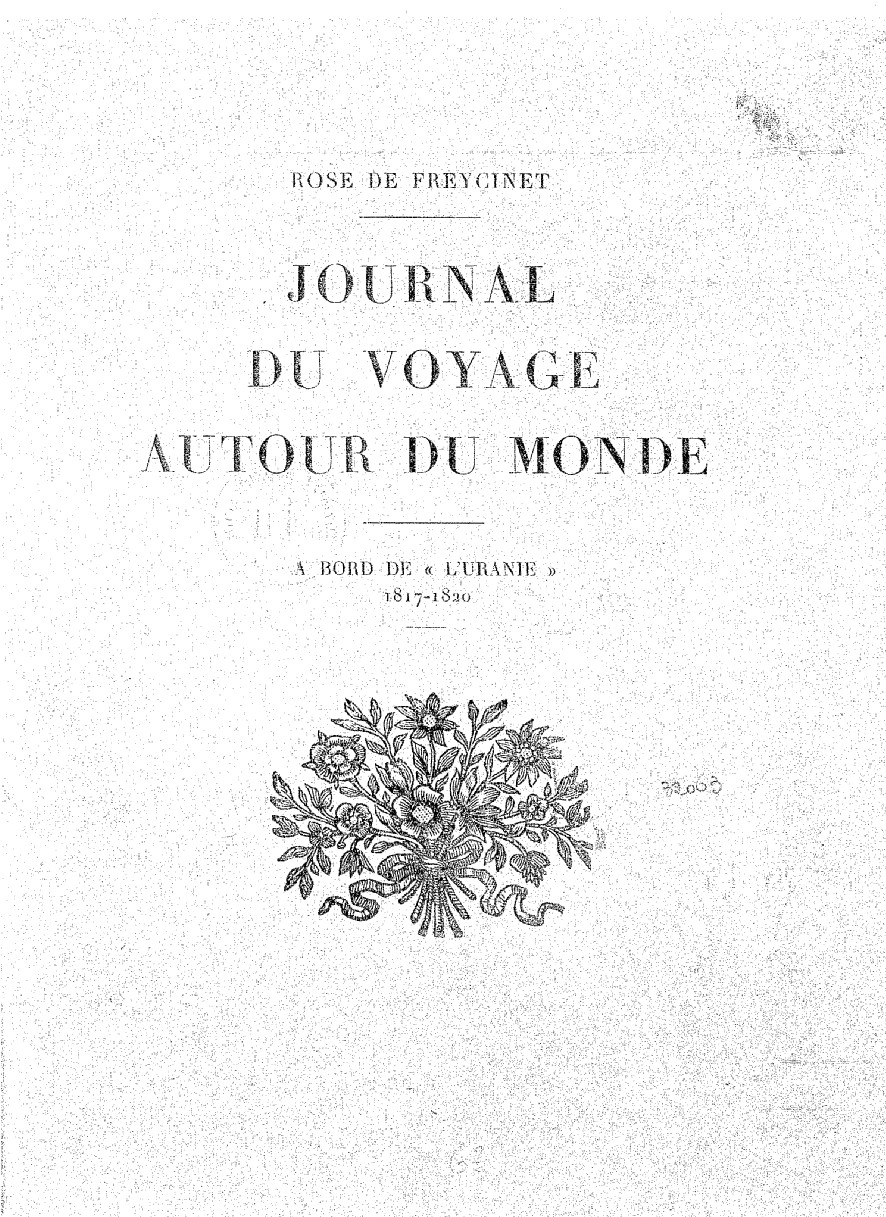
1927
Rose’s words published
More than a century after the Uranie returned to France, Rose’s journal was published for the first time.
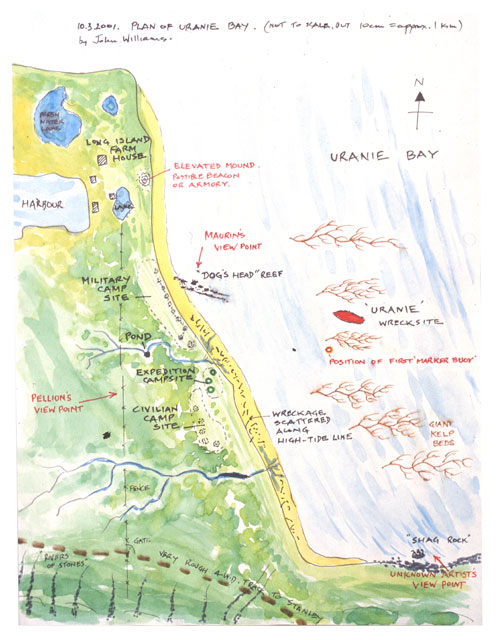
2001
The Uranie rediscovered
A Western Australian Maritime Museum expedition located the remains of the Uranie in the Falkland Islands.
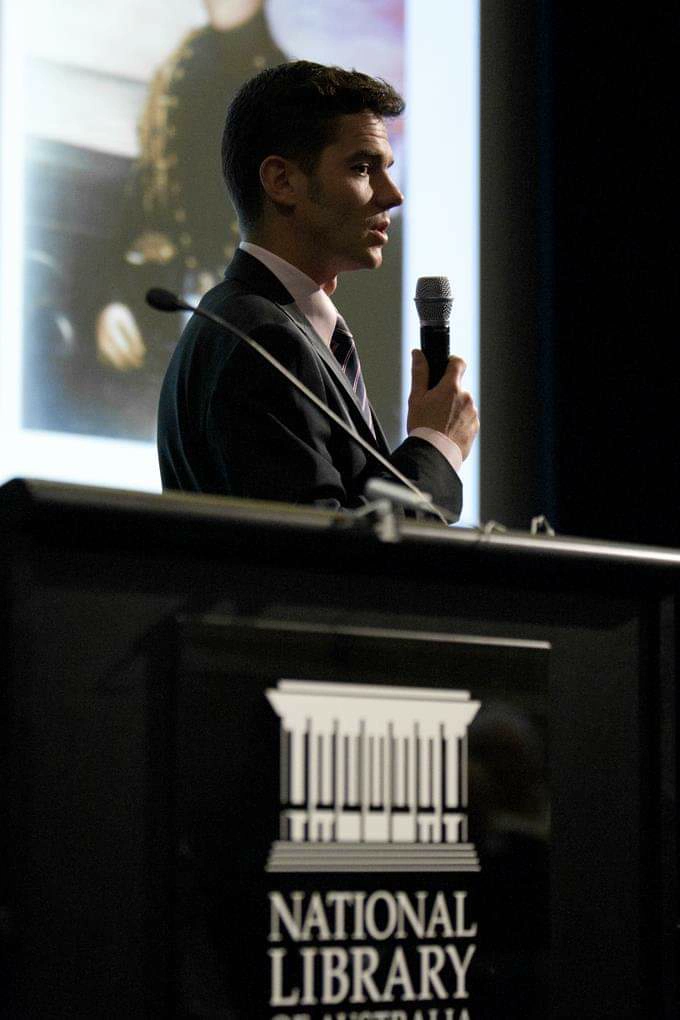
2011
The map returns to Australia
Two hundred years after its publication, Henry de Freycinet presented a copy of Louis’s 1811 map to Australia’s Governor-General at Government House in Canberra.
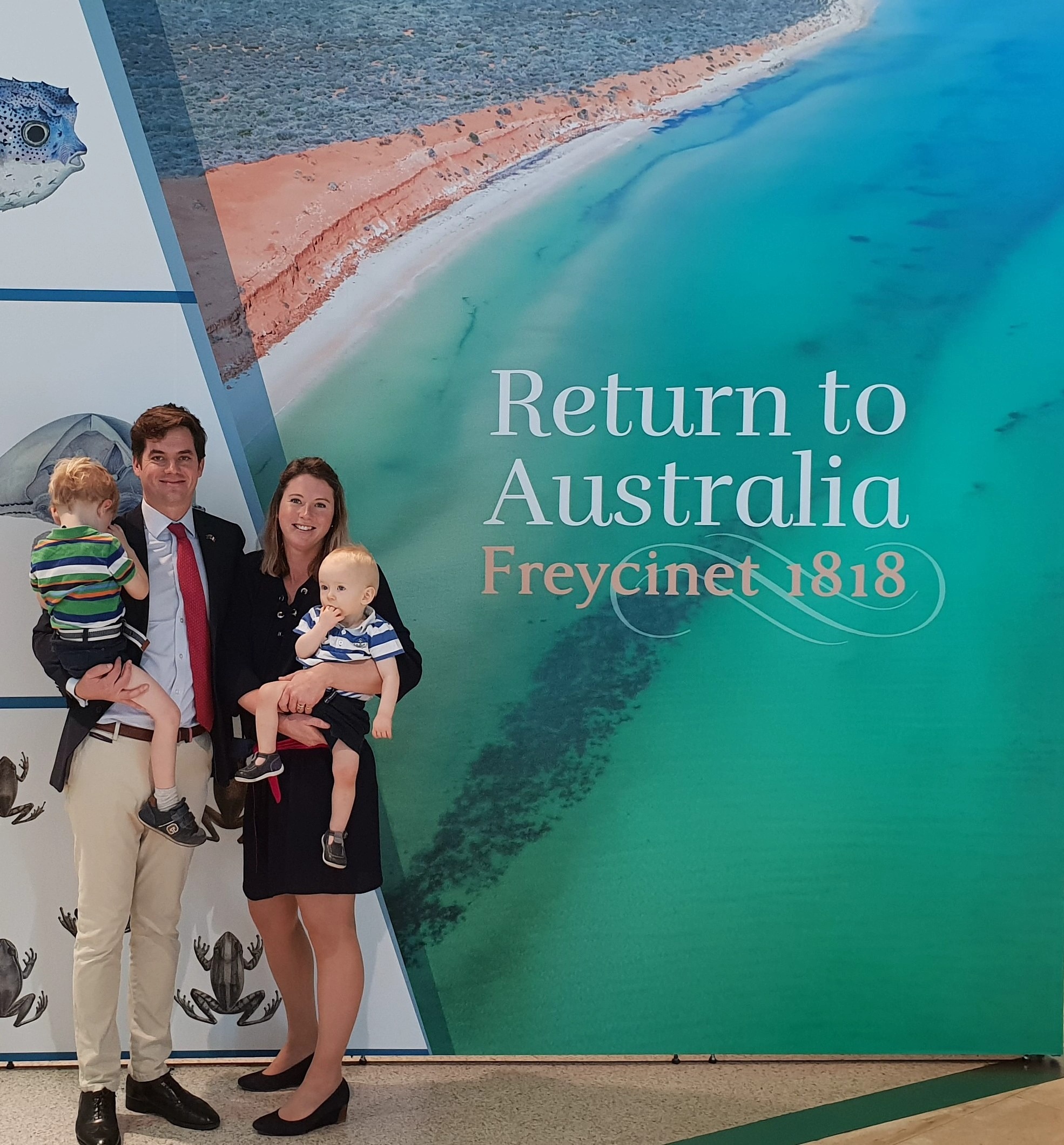
2018
Return to Australia
Henry returned to Western Australia as the Freycinet voyage was commemorated at the WA Maritime Museum, sharing family archives and the story of Rose and Louis with a new audience.
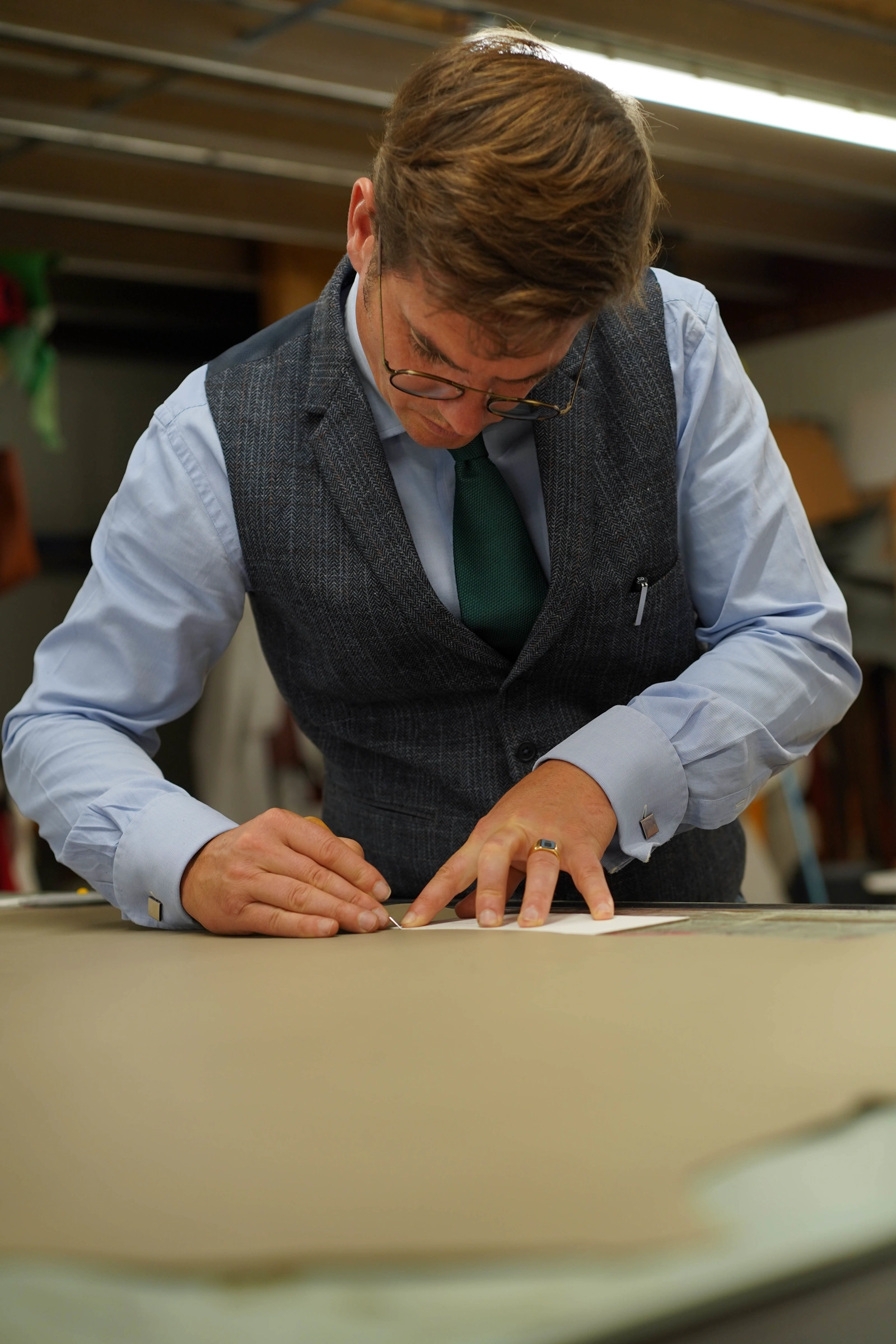
For Henry de Freycinet, this history is not an abstract inheritance.
A descendant of Louis-Henri and curator of the Freycinet family archives, he has spent years preserving and sharing the documents, objects and stories that connect the family to its past.
His work as a craftsman follows a separate, contemporary lineage. After training in design, Henry entered the world of leatherwork and learned within an established French workshop tradition before carrying that savoir-faire forward in Montcaret.
The contemporary House brings these two threads together: a family memory shaped by travel, and the discipline of creating objects by hand.
The intention is not to reproduce the nineteenth century, but to allow its spirit of curiosity, utility and movement to find a new form.
History does not endure by standing still.
It survives when it is read again, handled again and given a place in the present.
Henry de Freycinet draws from a family history of journeys, observation and discovery to create objects for lives still being lived. Each begins in the present, yet is made with the possibility that, one day, it may become part of someone else’s history.
Handcrafted in our workshop.
Each piece is signed and numbered.
Attentive guidance at every stage.
Specialist transport with secure tracking.