Objects made to remain
Henry de Freycinet creates objects for lives in motion.
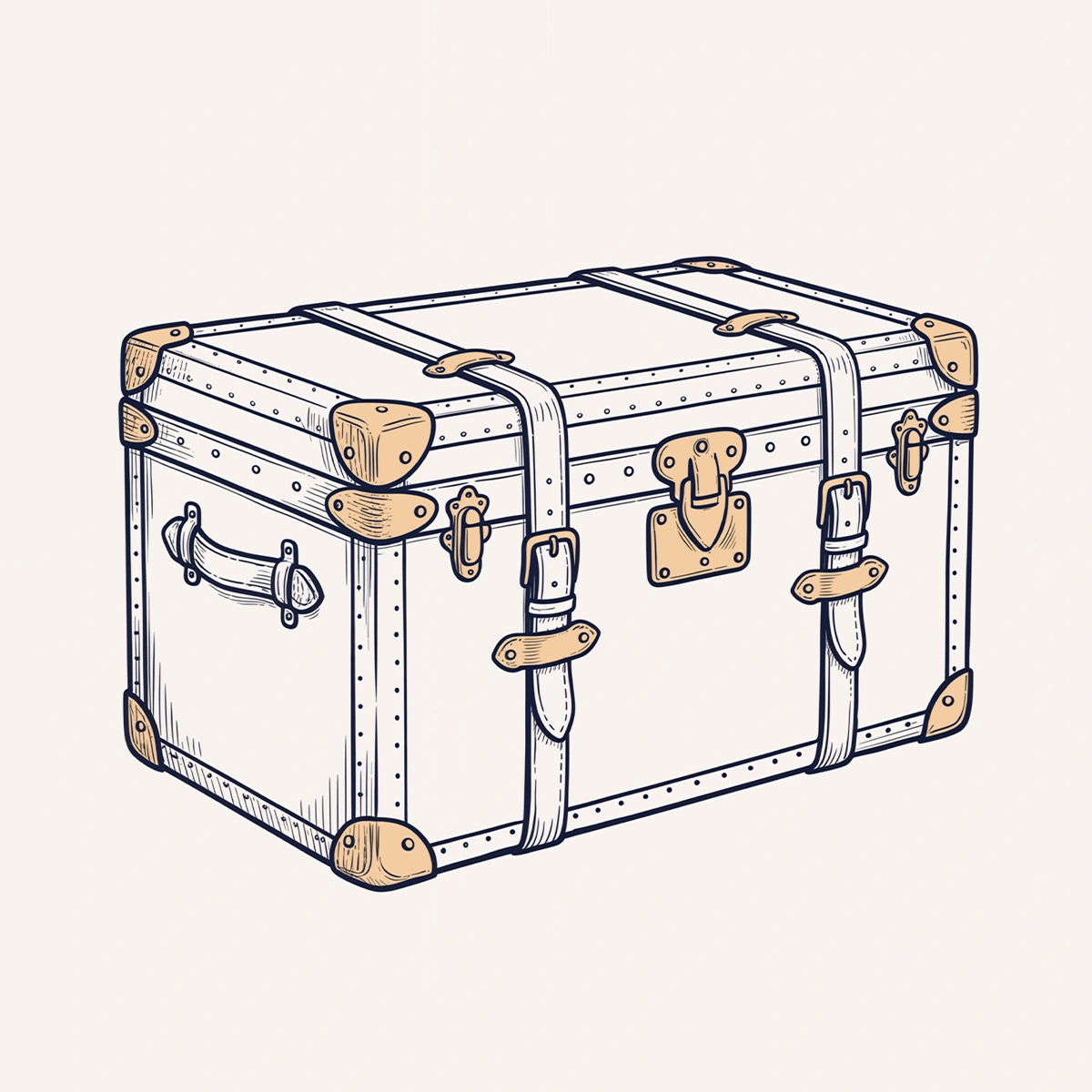
Travel, the field, the home: each collection begins with a use, a gesture and a sense of place. The House approaches these objects with restraint, allowing proportion, material and craftsmanship to give them their character.
Made to be handled, travelled with and lived alongside, they are conceived not for a moment, but for the possibility of becoming part of a life.
The vision
Utility, elevated
At Henry de Freycinet, luxury is not defined by excess.
It lies in the precision of an object, in the intelligence of its proportions and in the pleasure of materials chosen to improve through use.
Every piece begins with a purpose. Protection, travel, storage, play or the rituals of the field are never treated as secondary considerations. Function gives the object its reason to exist; craftsmanship gives it permanence.
The result is a collection designed to feel natural in use and distinctive without ever becoming ostentatious.
Behind the House
A personal vision
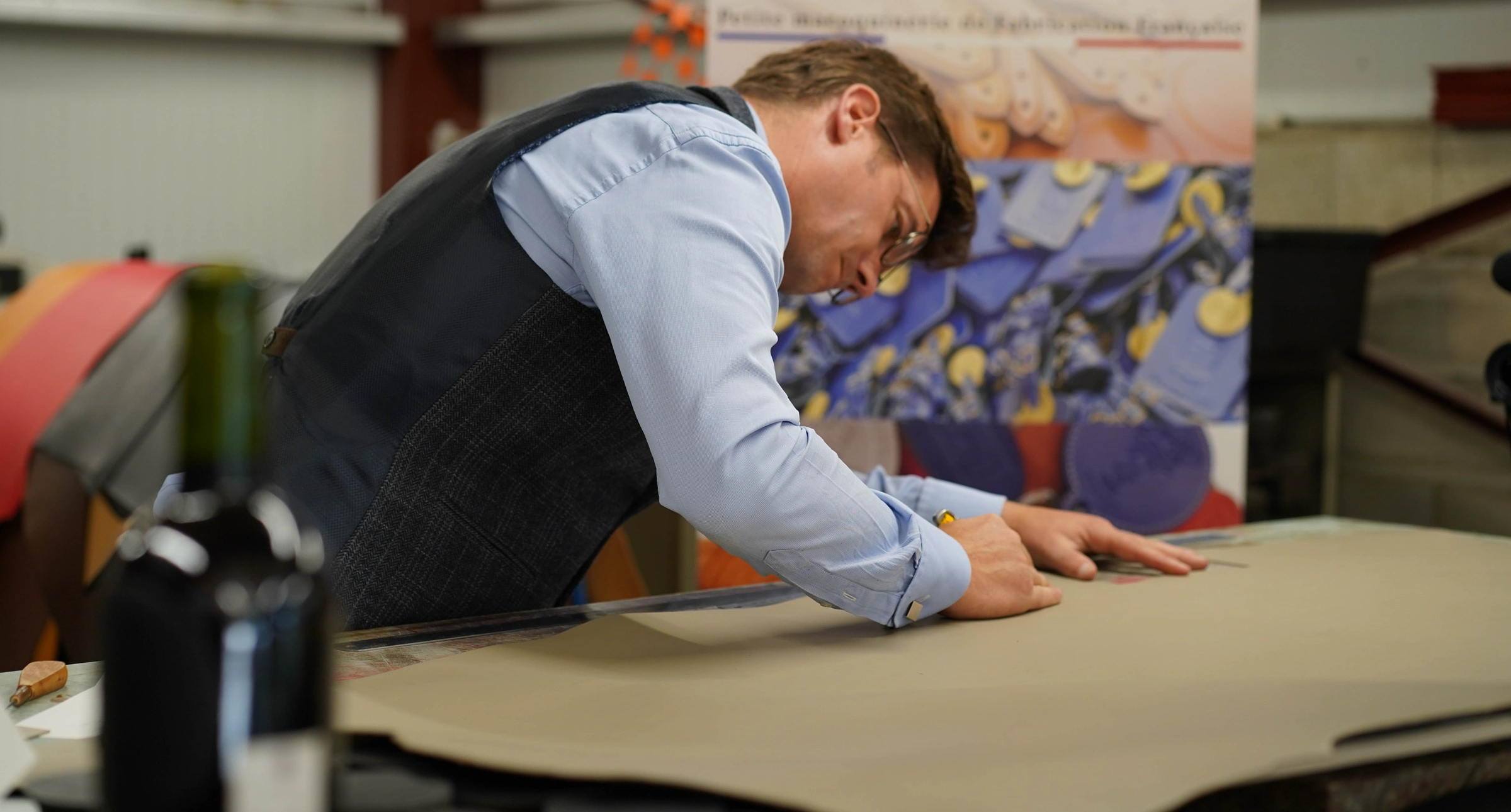
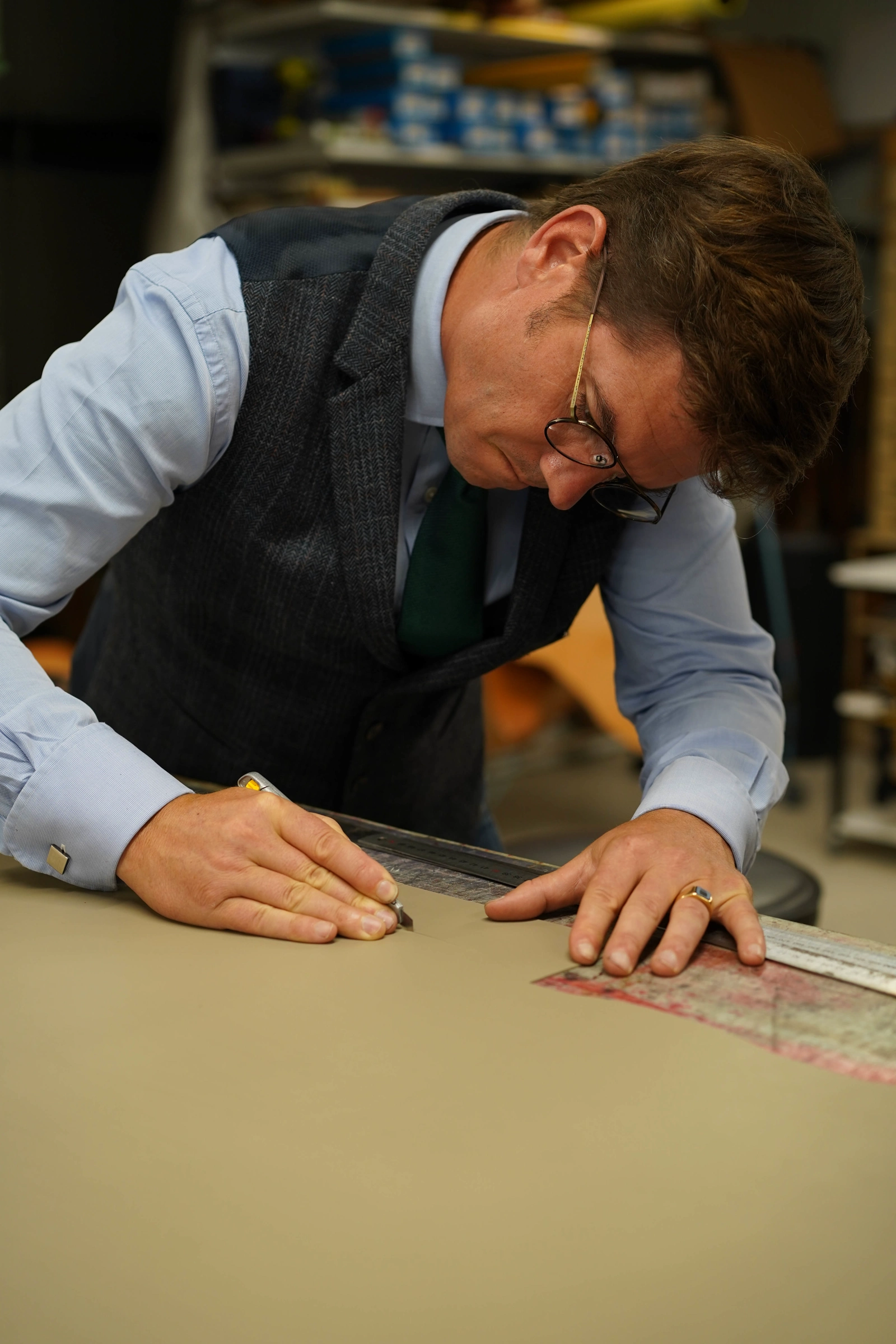
Henry de Freycinet approaches the House as both a custodian and a maker.
His family history gave him an enduring connection to travel, exploration and the objects that accompany a journey. His path into design and leatherwork gave those ideas a contemporary language.
Today, these two influences meet in the House: memory without nostalgia, craftsmanship without affectation, and a belief that useful objects can carry meaning far beyond their original purpose.
Henry remains closely involved in the development of each collection, from its first proportions to the details that define the finished piece.
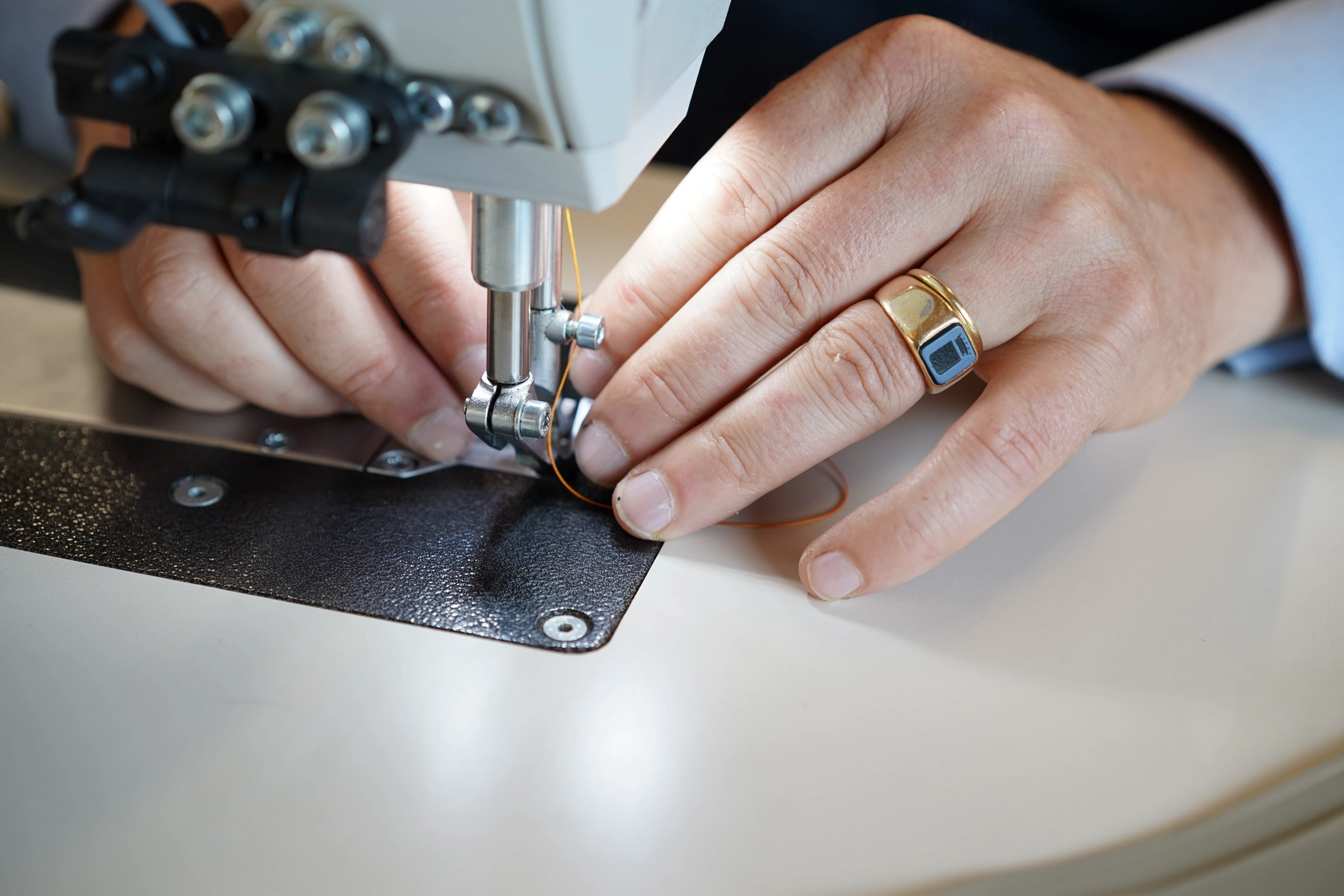
Craftsmanship
Made with intention
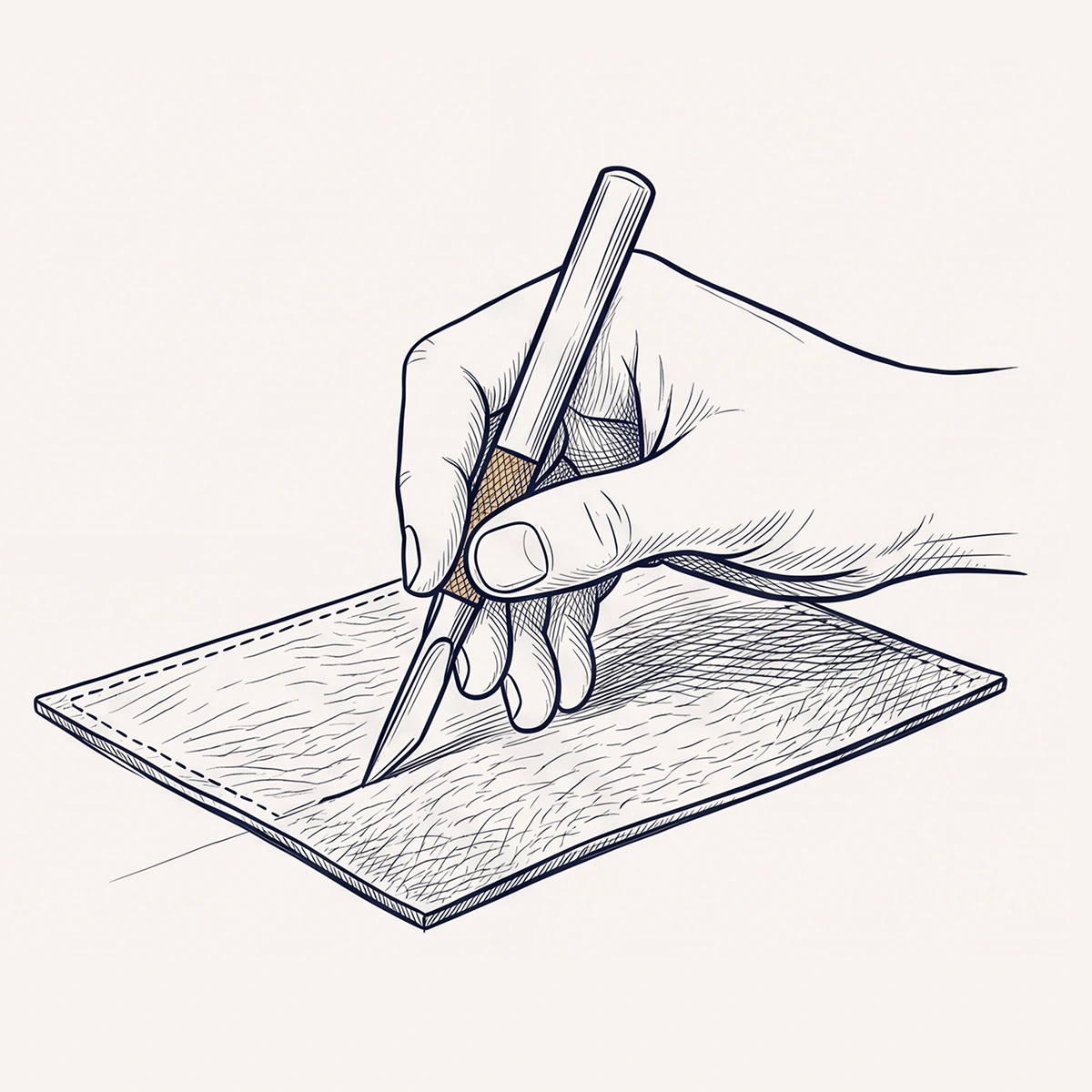
Craftsmanship begins long before the final gesture.
It is present in the choice of proportion, in the relationship between materials, in the way an object opens, closes, carries and ages. Each decision contributes to the experience of the finished piece.
The House favours considered construction and carefully selected materials, allowing their natural character to remain visible and develop with time.
Nothing is added simply to impress. Every detail must earn its place.
Three expressions of the House
Different settings, the same approach: objects defined by purpose, proportion and the pleasure of use.

Hunting
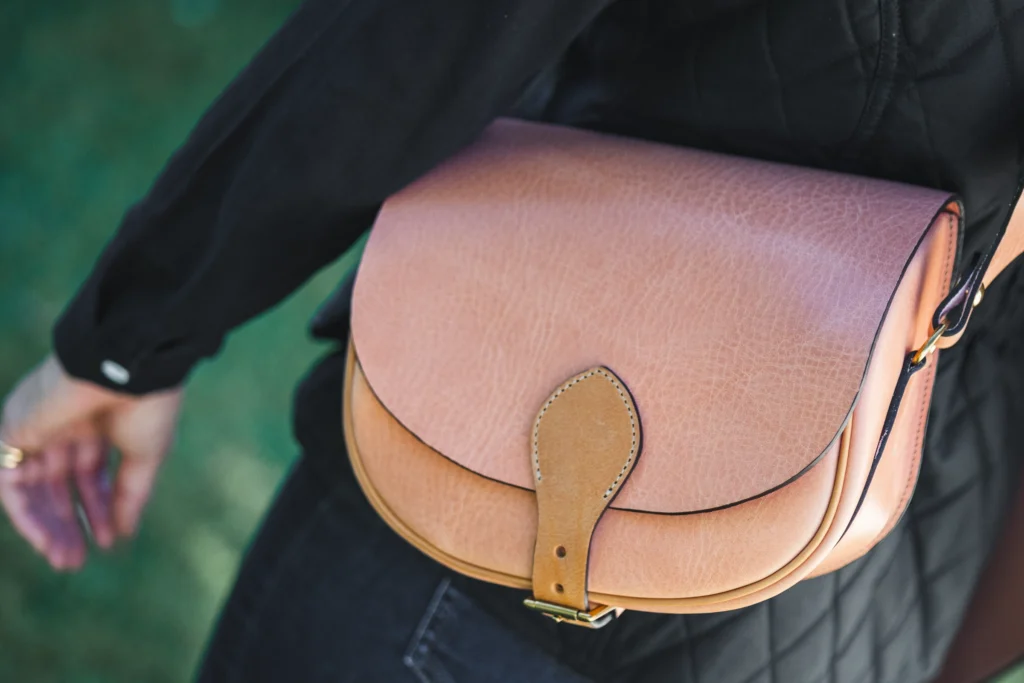
Sporting pieces designed for the field, where ease of use and enduring materials matter equally.
Explore Hunting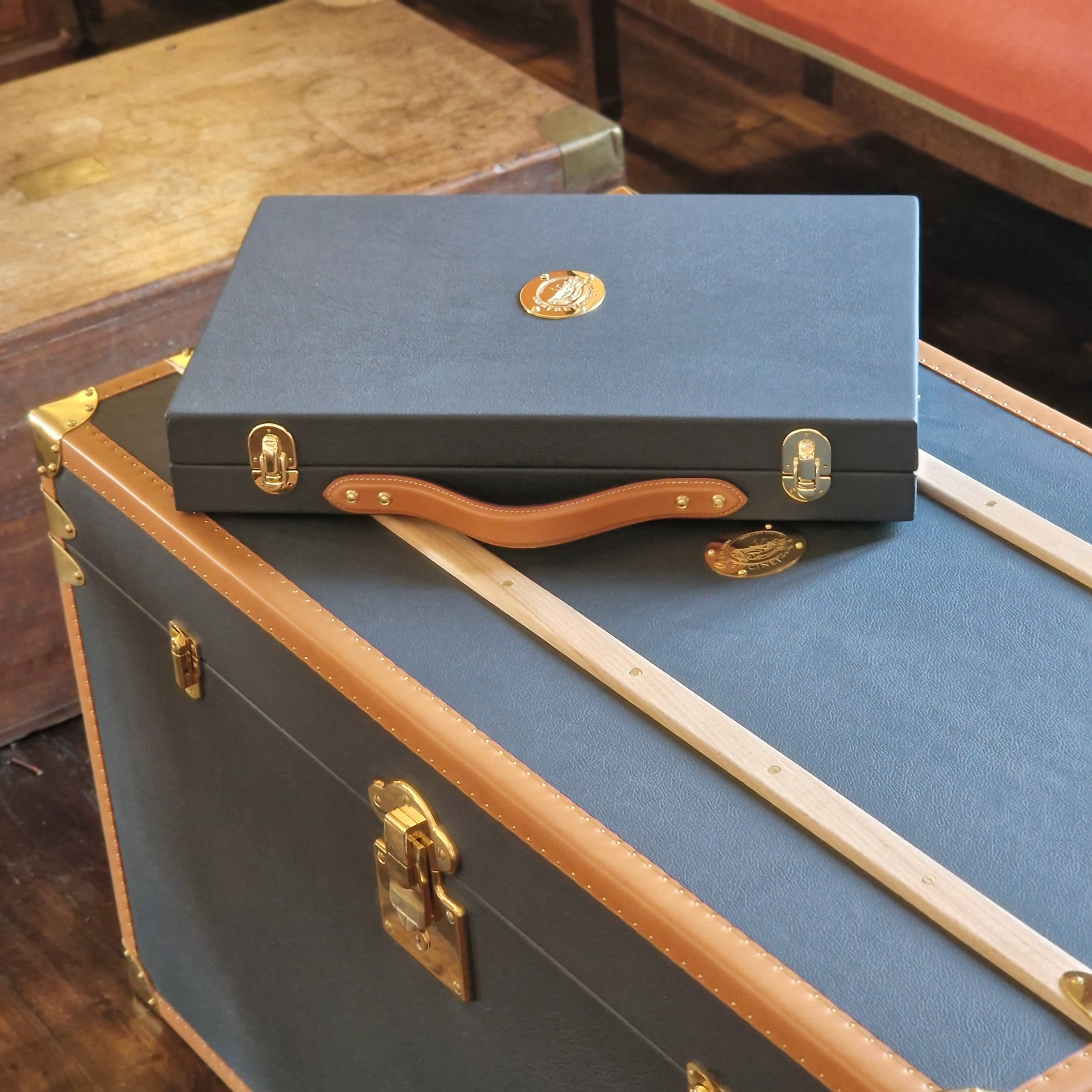
Lifestyle
Objects for quieter rituals, created for moments of play, preservation and time spent at home.
Explore LifestyleThe standards of the House
The value of an object extends beyond the moment in which it is made. It also lies in how it is considered, accompanied and cared for over time.
Purpose
Every piece begins with its use. Form follows the gestures, journeys and rituals it is intended to accompany.
Craft
Materials and construction are approached with patience, precision and respect for the character they will acquire with time.
Individuality
Colours, configurations and personal choices allow each piece to find its place within the life of its owner.
Service
From a first question to delivery and future care, the House favours direct, attentive and personal guidance.
The details
Character reveals itself slowly
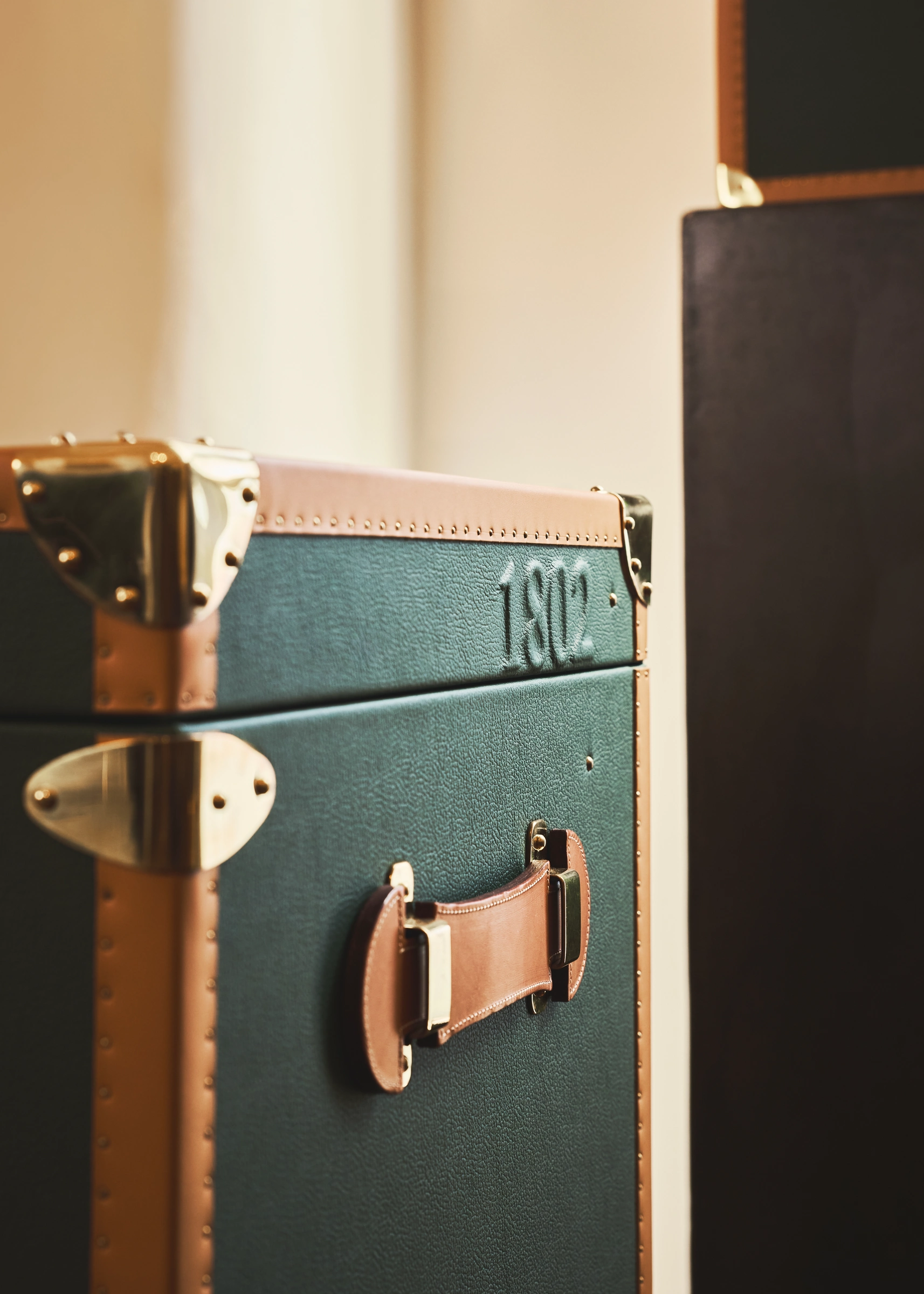
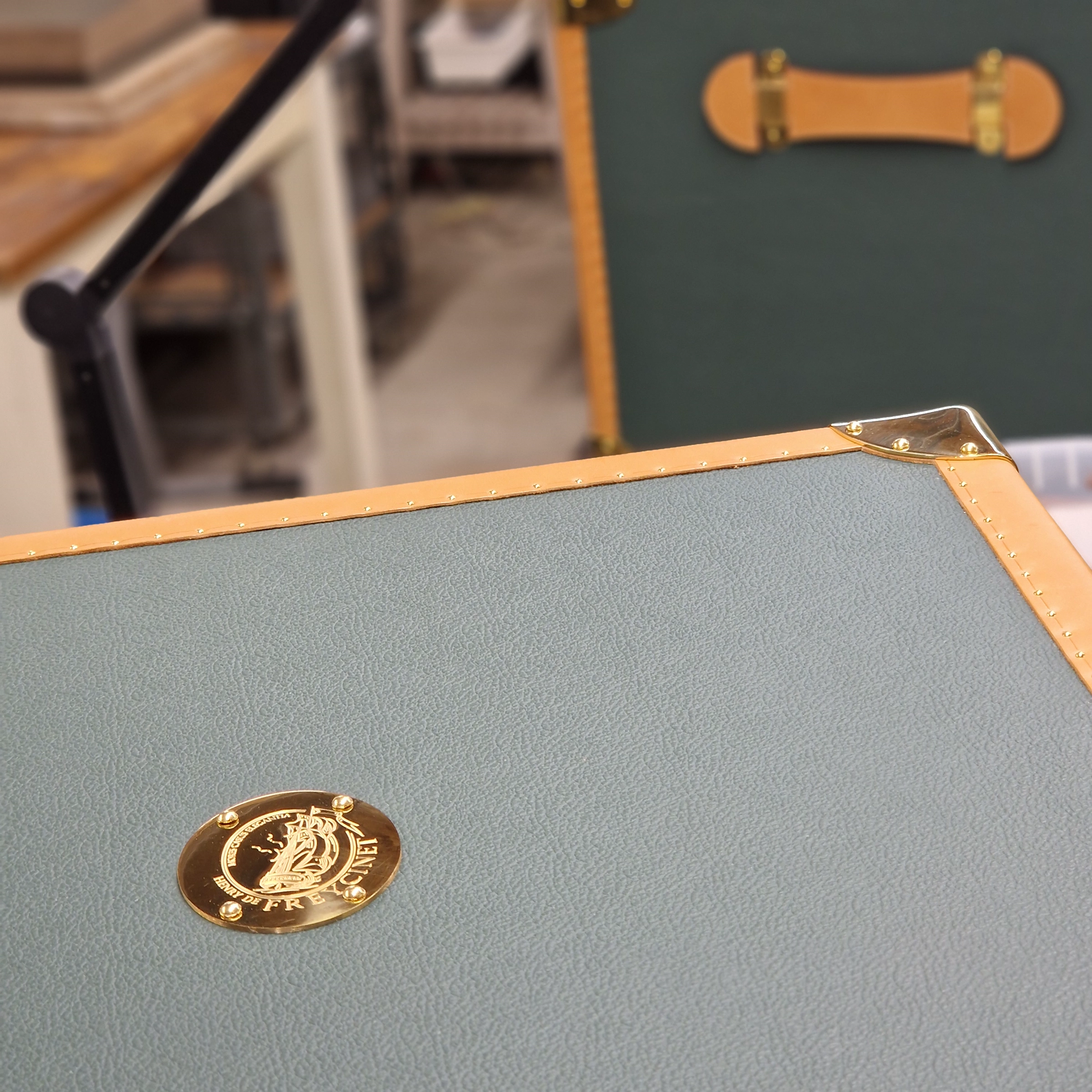
A piece is often understood through its details.
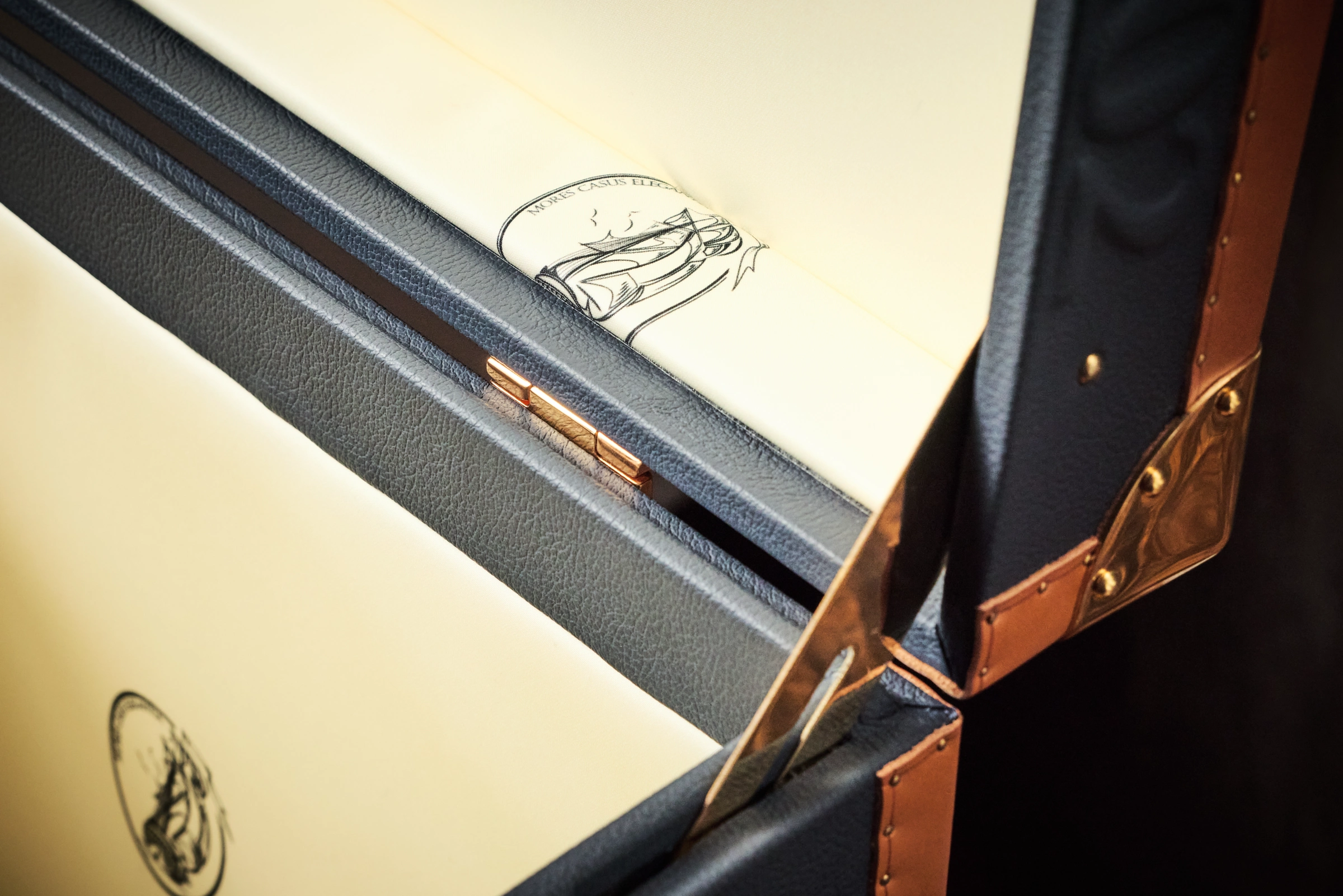
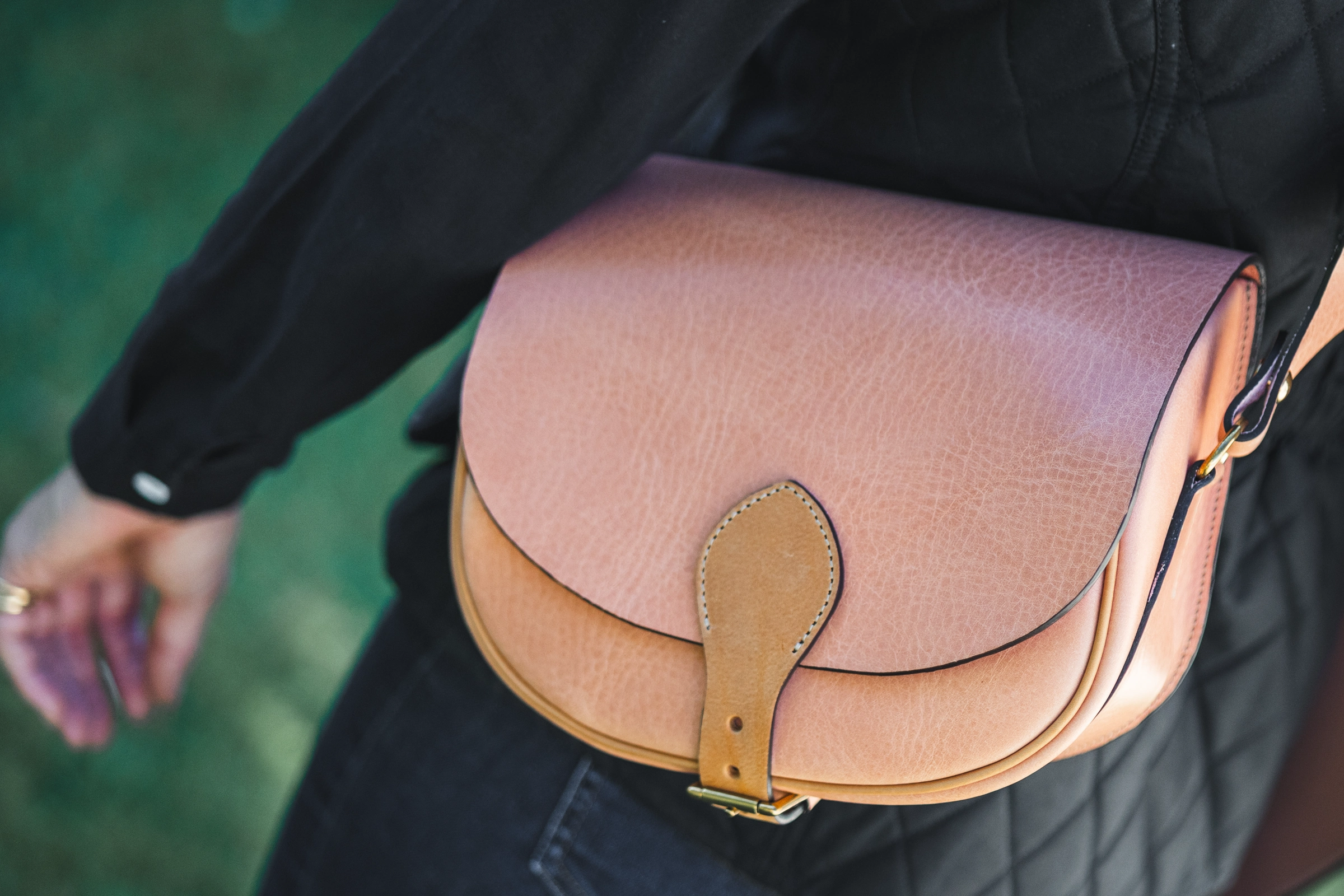
The weight of a closure, the feel of a handle, the meeting of two materials or the way a surface changes with use may appear secondary at first. Over time, they become part of the relationship between an object and its owner.
The House treats these details quietly. They are there to be discovered through use, not announced from a distance.
Personal service
A House that stays close
Choosing a piece from Henry de Freycinet is intended to remain a personal experience.
Questions of colour, configuration, use, delivery or care deserve more than a transactional answer. The House is available to guide each decision with the same attention given to the object itself.
That relationship does not end when a piece leaves the workshop. Guidance, care and restoration form part of a longer view: one in which an object is expected to continue living well beyond its first journey.
Looking forward
Made for what comes next
Henry de Freycinet is a young House with a long memory.
Its ambition is not to reproduce the past, but to carry forward a particular way of looking at objects: with curiosity, usefulness and respect for time.
New collections will continue to extend that idea into different territories, while remaining guided by the same principles of purpose, craftsmanship and restraint.
The journey is still being written.